
Gorilla trekking is one of the most popular wildlife safari activities in Uganda. The country…
Best Cultural Sites to Visit in Uganda
Uganda is widely known for gorilla trekking, wildlife safaris, birding, lakes, mountains, and national parks, but the country also has a rich cultural heritage that gives travellers a deeper understanding of its people. With more than 50 ethnic groups, Uganda offers a wide range of traditions, languages, kingdoms, dances, food, music, ceremonies, royal sites, sacred places, and community experiences. Most of Uganda’s cultural identities are connected to traditional kingdoms, clan systems, spiritual beliefs, historical events, and community practices that have been preserved across generations. Some of the most recognised cultural institutions include Buganda, Bunyoro, Toro, Busoga, and Rwenzururu, while communities such as the Karamojong, Batwa, Bagisu, Banyankole, and Acholi also offer unique cultural experiences. For travellers, visiting cultural sites in Uganda adds meaning to a safari itinerary. These places help you understand the history behind the landscapes, the people living around national parks, and the traditions that shape everyday life in different regions of Uganda.
Uganda’s Most Important Cultural and Heritage Sites
Ndere Cultural Centre in Kampala
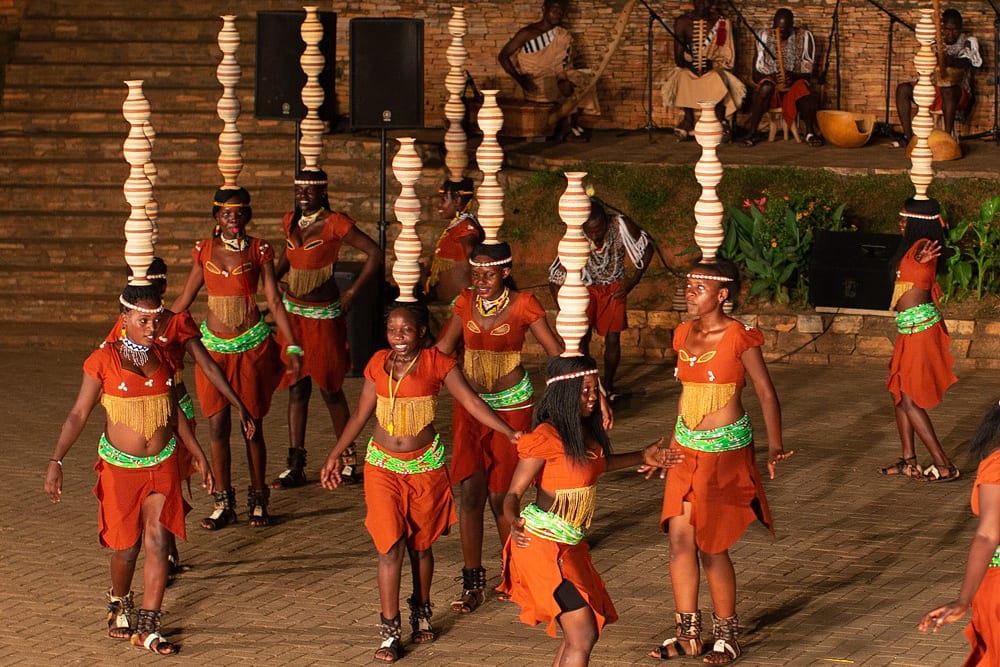
Ndere Cultural Centre is one of the best places to experience traditional music, dance, storytelling, food, and cultural performance in Kampala. The centre presents dances and songs from different regions of Uganda, giving visitors a lively introduction to the country’s ethnic diversity. A visit to Ndere is ideal for travellers who have limited time in Kampala but still want to experience Uganda’s cultural identity in one evening. Performances often include drums, costumes, comedy, storytelling, and dances representing communities from central, western, eastern, and northern Uganda. Advance booking is recommended, especially for groups, families, and travellers visiting during weekends or holiday periods. This experience can be added before or after a Uganda safari, Kampala city tour, or Entebbe stopover.
Kabaka’s Palace and Buganda Kingdom Heritage
The Kabaka’s Palace, also known as Lubiri Palace, is one of the most important cultural sites in Kampala. It is the official palace of the Kabaka, the king of Buganda, and a key place for understanding the history, leadership, and traditions of the Buganda Kingdom. A guided visit helps travellers learn about Buganda’s royal family, clan systems, traditional leadership, palace history, and cultural identity. The palace grounds are also connected to Uganda’s political history because of the former underground chambers used during the Idi Amin era. This site is suitable for travellers interested in royal heritage, colonial history, political history, and Buganda traditions. It also combines well with Kasubi Tombs, Bulange Parliament, and Naggalabi Coronation Site during a Kampala cultural tour.
Kasubi Tombs UNESCO World Heritage Site
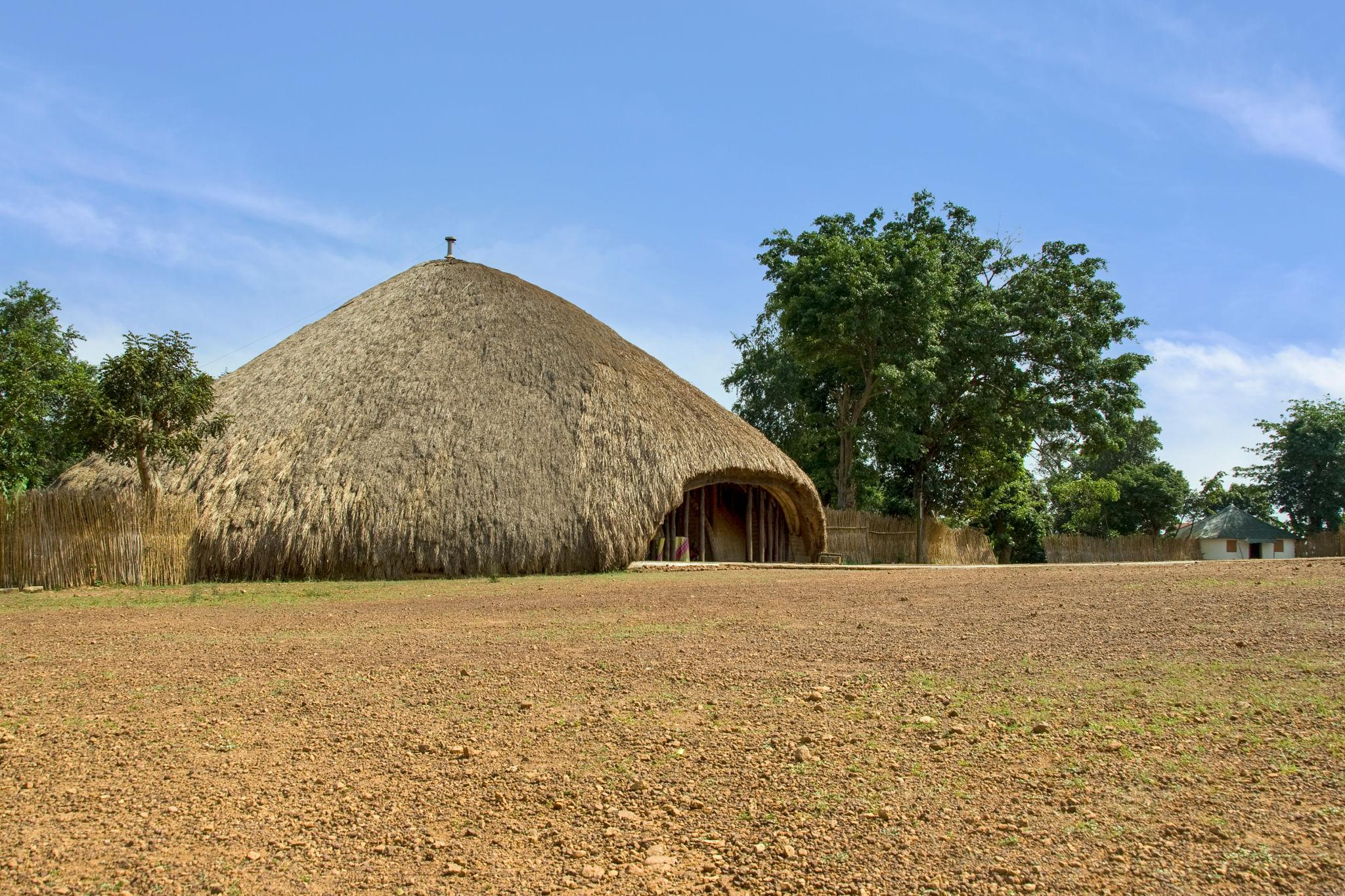
Kasubi Tombs is one of Uganda’s most important cultural and spiritual sites. Located on Kasubi Hill in Kampala, the site is a burial place for Buganda kings and a major symbol of the kingdom’s royal history, architecture, and spiritual identity. The main structure, known as Muzibu Azaala Mpanga, is built using traditional materials and reflects the architectural knowledge of the Baganda people. The site is also recognised internationally because of its cultural importance and connection to Buganda’s royal heritage. A guided visit to Kasubi Tombs helps travellers understand royal burial traditions, clan roles, spiritual beliefs, and the importance of kingship in Buganda culture. This site should be treated respectfully because it remains spiritually important to the Baganda.
Naggalabi Coronation Site and Buganda Royal Traditions
Naggalabi Coronation Site is an important royal site in Buganda Kingdom history. It is the traditional place where Buganda kings are crowned, making it one of the most meaningful cultural places to visit near Kampala. Visitors can learn about the coronation process, royal rituals, clan responsibilities, traditional authority, and the symbols used during the installation of a Kabaka. The site helps travellers understand how Buganda kingship is passed on and why the coronation remains important to the kingdom. On the way to Naggalabi, travellers can also visit drum-making workshops where traditional drums used in Buganda ceremonies are made. This adds a practical cultural experience to the visit.
Mutoto Cultural Site and Imbalu Ceremony in Mbale
Mutoto Cultural Site in Mbale is strongly connected to the Imbalu circumcision ceremony of the Bagisu people. The Bagisu live around the foothills of Mount Elgon in eastern Uganda, and Imbalu is one of their most recognised cultural practices. The ceremony is traditionally seen as a rite of passage from boyhood into manhood. It is accompanied by dancing, drumming, singing, community gatherings, processions, and celebrations before the actual circumcision takes place. For travellers, visiting Mutoto Cultural Site offers insight into the identity, courage, family roles, and community values of the Bagisu people. Because this is a sensitive cultural practice, visits should be guided, respectful, and arranged at the right time.
Igongo Cultural Centre and Ankole Heritage
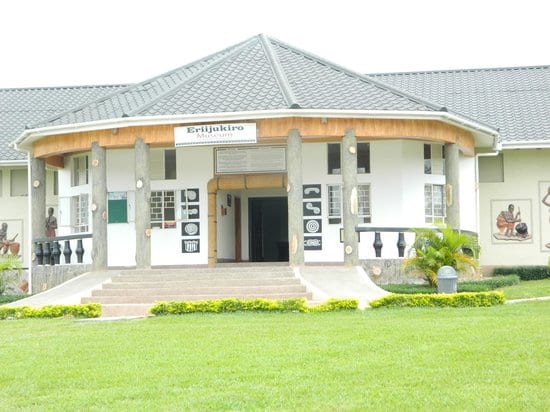
Igongo Cultural Centre is one of the best places to learn about Ankole culture in western Uganda. Located near Mbarara, the centre introduces visitors to the history, food, traditions, cattle culture, and lifestyle of the Banyankole people. The museum presents stories about Ankole heritage, traditional homes, tools, royal history, pastoral life, and the importance of long-horned Ankole cattle. The centre is also known for local food, making it a good lunch stop during a western Uganda safari. Igongo works well as a stopover for travellers heading to Queen Elizabeth National Park, Lake Mburo National Park, Bwindi Impenetrable National Park, or Mbarara.
Namugongo Martyrs Shrine and Uganda Christian History
Namugongo Martyrs Shrine is one of Uganda’s most important religious and historical sites. It is associated with the Uganda Martyrs, Christian converts who were killed because of their faith during the reign of Kabaka Mwanga II. The shrine attracts pilgrims from Uganda, East Africa, Europe, the US, and many other parts of the world, especially around 3rd June, when Uganda Martyrs Day is commemorated. Both Catholic and Anglican heritage are strongly connected to the Namugongo area. For travellers interested in religious history, faith-based tourism, and Uganda’s colonial-era religious transformation, Namugongo is one of the most meaningful cultural sites to visit near Kampala.
Karamojong Manyattas in Moroto
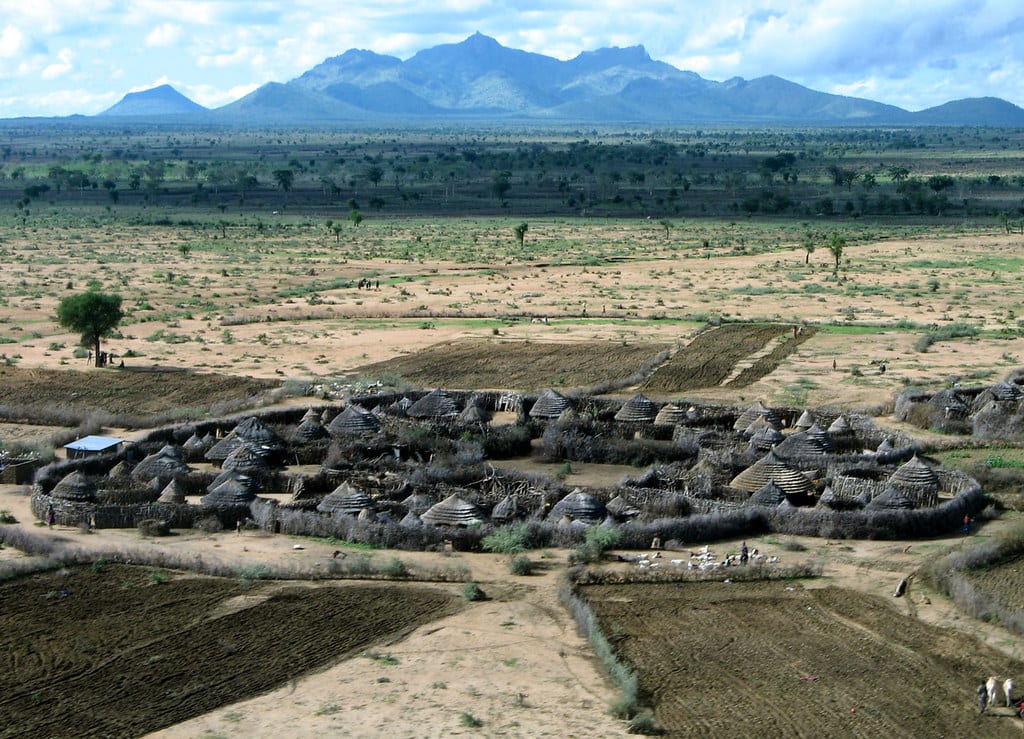
The Karamojong Manyattas in Moroto offer one of Uganda’s most distinctive cultural experiences. A manyatta is a traditional homestead commonly associated with pastoral communities in Karamoja, northeastern Uganda. During a guided visit, travellers can learn about Karamojong pastoral life, cattle traditions, beadwork, music, dances, family structures, local architecture, and community survival in the semi-arid landscapes of Karamoja. This experience should be arranged responsibly through a local guide or tour operator so that the community benefits directly from tourism. Visitors should ask before taking photos, respect local customs, and approach the experience as a cultural exchange rather than a simple sightseeing stop.
Batwa Cultural Experience Near Bwindi Forest
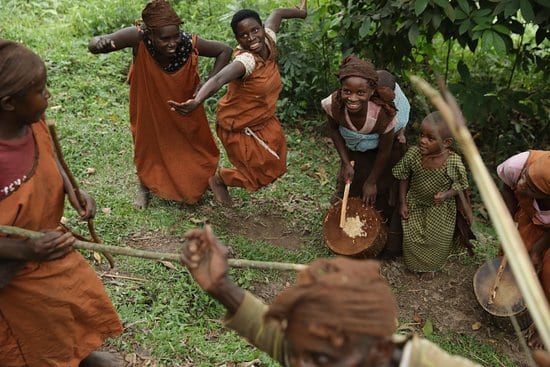
The Batwa cultural experience near Bwindi Impenetrable Forest gives travellers insight into one of Uganda’s most well-known forest communities. The Batwa once lived in and around the forest, depending on it for shelter, food, medicine, hunting, and spiritual life before the area was gazetted as a national park. During a guided community experience, visitors can learn about traditional forest survival skills, herbal medicine, music, storytelling, hunting practices, fire-making, and how Batwa communities lived before displacement. This experience combines well with gorilla trekking in Bwindi, especially for travellers who want to understand the human history connected to the forest. It should be booked through responsible operators who work with local communities and support fair benefit-sharing.
Why Add Cultural Sites to a Uganda Safari?
Uganda safaris are not only about wildlife and gorilla trekking. Cultural sites help travellers understand the people, traditions, kingdoms, and communities connected to the landscapes they visit. A cultural experience can make a safari more meaningful by adding history, food, music, dance, storytelling, and local interaction.
Related Posts