
Bokora Wildlife Reserve is located in northeastern Uganda in the Karamoja sub-region, within the Bokora corridor. It lies between Pian Upe Wildlife Reserve and Matheniko Wildlife Reserve, forming part of a wider conservation area that allows seasonal movement of wildlife across the Karamoja landscape. The reserve was originally a controlled hunting area before being gazetted in 1964 as a protected wildlife reserve. Its role today is to support wildlife conservation and movement within the Karamoja ecosystem.
How to get to Bokora Wildlife Reserve from Kampala
Bokora Wildlife Reserve can be accessed from Kampala by road, with the journey taking approximately 7 to 8 hours depending on the route and road conditions. One common route passes through Mbale and Soroti, while another option follows the Kampala to Gulu highway before branching towards Karamoja. Because the reserve is located in a remote region, a 4×4 vehicle and a guided safari are strongly recommended, especially during the rainy season when roads can become difficult to navigate.
Landscape and vegetation in Bokora Wildlife Reserve
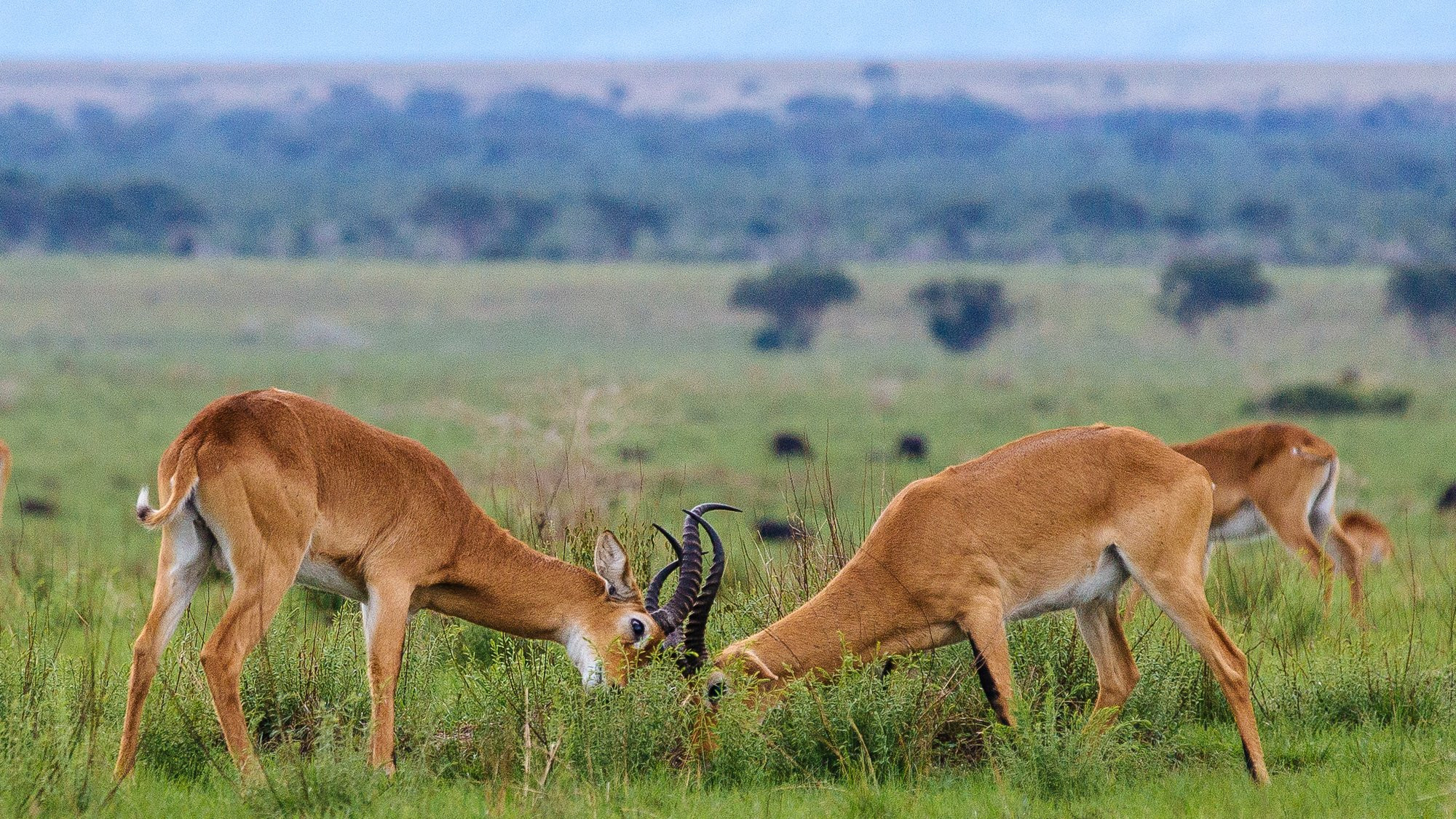
Bokora Wildlife Reserve lies within the southern Karamoja plateau and is generally dry for most of the year. The landscape is characterized by open savannah, wooded grassland, thorny vegetation, and scattered inselbergs, which are isolated rocky hills rising from the plains. This semi-arid environment supports grazing wildlife during the wet seasons, when fresh grass becomes available. The mix of open plains and rocky features gives the reserve a rugged and less-explored feel compared to Uganda’s more developed national parks.
Things to do in Bokora Wildlife Reserve
Game drives and wildlife viewing
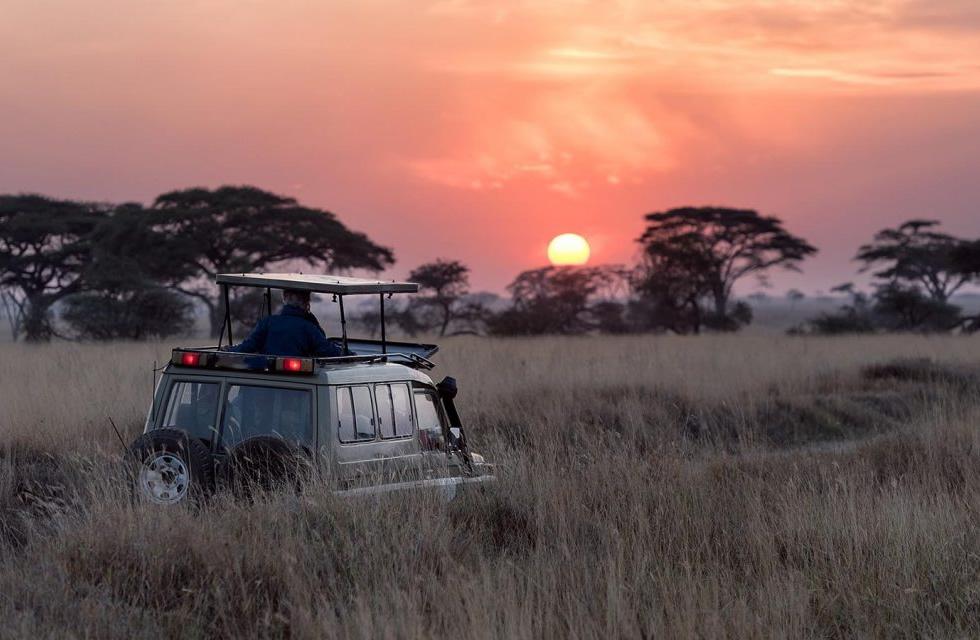
Game drives are one of the main activities in Bokora Wildlife Reserve. The experience focuses on exploring open landscapes and observing wildlife in a quiet, uncrowded environment rather than high-density game viewing. Wildlife that may be seen includes antelope species such as Uganda kob, eland, reedbuck, hartebeest, oribi, and topi. Other mammals in the wider ecosystem include hyenas, jackals, and occasionally leopards. Species such as zebras, lesser kudu, Rothschild’s giraffes, and cheetahs may occur in the region, although sightings depend on timing and movement patterns.
Birdwatching in Bokora Wildlife Reserve
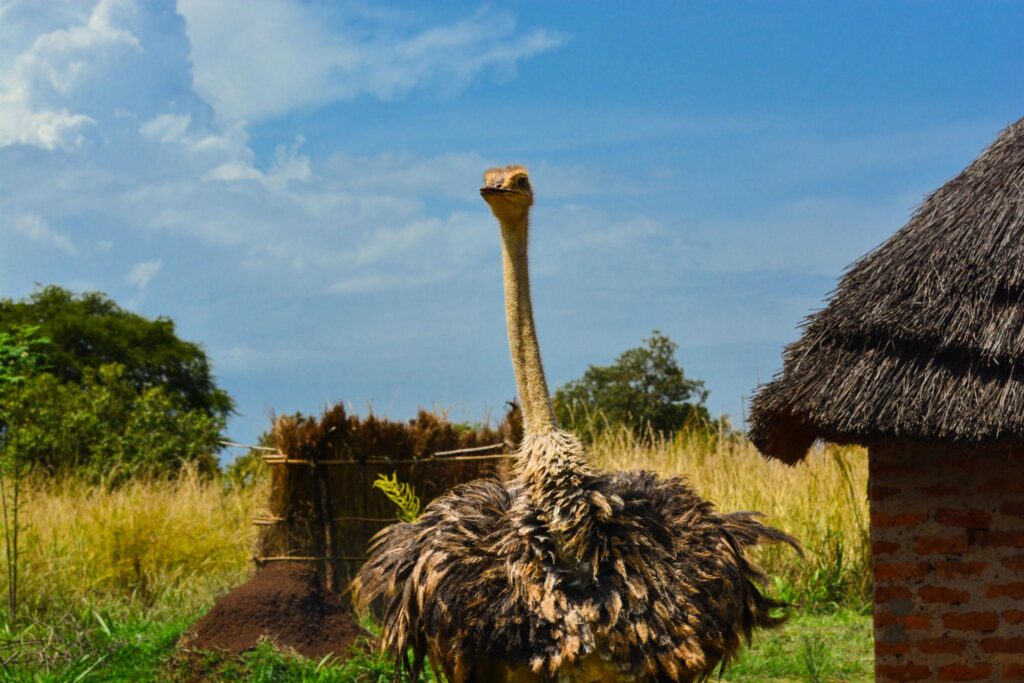
Birdwatching is one of the strongest reasons to visit Bokora Wildlife Reserve. The reserve supports a variety of bird species, particularly in wetland areas such as Loporokocho swamp. Bird species recorded in the area include ostriches, African hill babblers, Jackson’s hornbills, grey cuckoo-shrikes, and other savannah and wetland birds. The open landscape makes Bokora suitable for both birdwatching and photography
Where to stay near Bokora Wildlife Reserve
There are currently no established accommodation facilities within Bokora Wildlife Reserve. Visitors usually stay in nearby towns such as Moroto or combine their visit with other destinations that have more developed lodging options. Camping can be arranged within the reserve for travelers seeking a more adventurous experience. This requires prior arrangement with the Uganda Wildlife Authority and proper preparation, including food supplies, camping equipment, and basic facilities.
Best time to visit Bokora Wildlife Reserve
Bokora Wildlife Reserve can be visited throughout the year, but the dry seasons are generally more suitable for travel. Roads are easier to access during these months, making it simpler to explore the reserve. The main dry periods run from June to September and from December to February. During the rainy seasons, roads may become muddy and difficult to pass, although the landscape becomes greener and more attractive for birdwatching.