
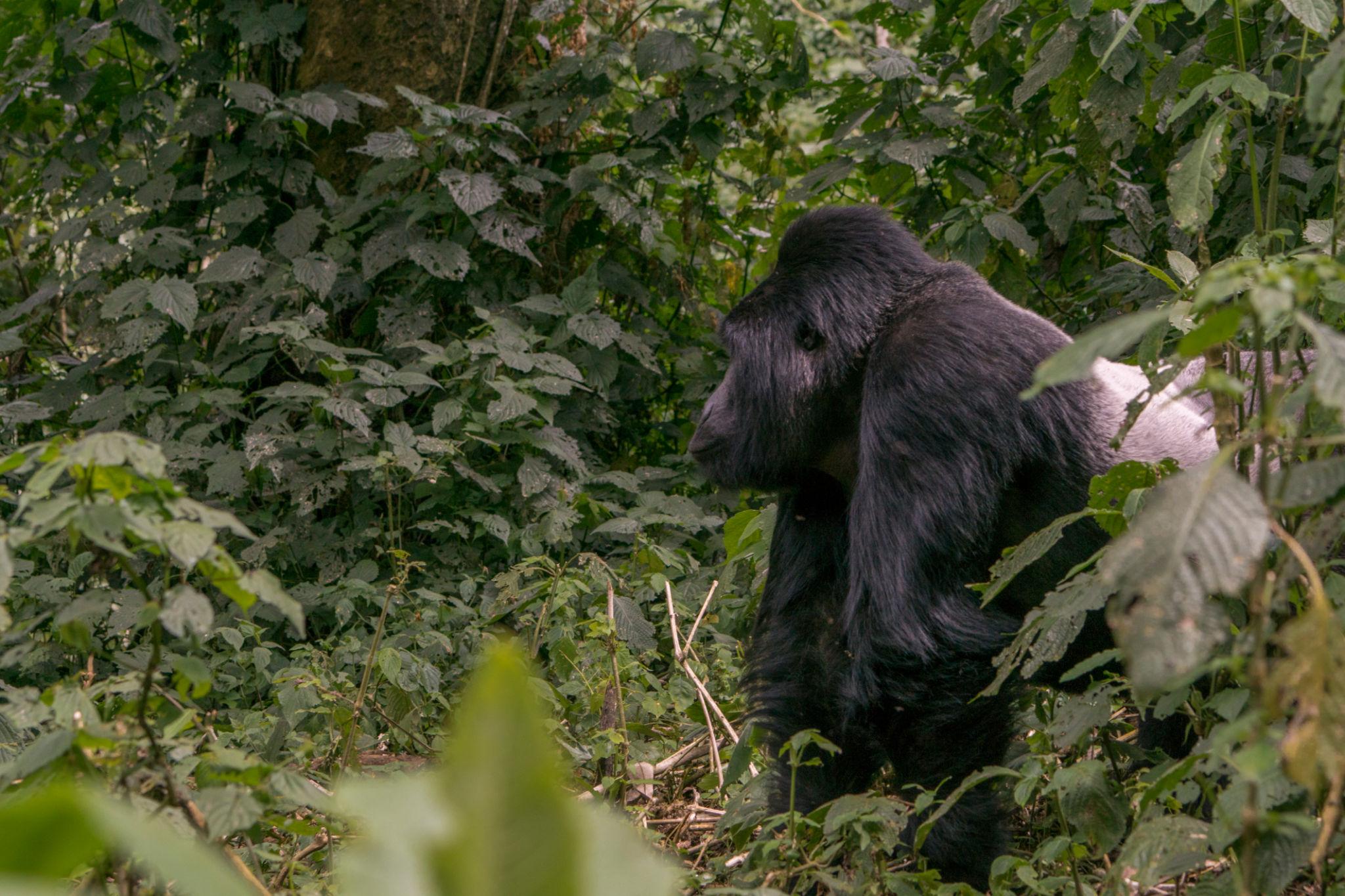
Rwanda gorilla trekking takes place in Volcanoes National Park, one of Africa’s best-known mountain gorilla destinations. The park forms part of the wider Virunga conservation landscape, together with Mgahinga Gorilla National Park in Uganda and Virunga National Park in DR Congo. Rwanda has several habituated gorilla families available for trekking, each led by a dominant silverback and monitored by park rangers. Only 8 visitors are allowed to trek each gorilla family per day, and visitors spend one hour with the gorillas after finding them in the forest. Gorilla family sizes and locations change over time due to births, deaths, leadership changes, splits, and movement across the Virunga landscape. For this reason, exact group numbers should always be confirmed before travel. This guide explains the main gorilla trekking families in Rwanda, their background, and what travellers should know when planning a Rwanda gorilla safari.
Rwanda Gorilla Trekking Families in Volcanoes National Park
Rwanda’s habituated gorilla families are found in Volcanoes National Park, near Musanze in northern Rwanda. These families are visited under the guidance of trained rangers who help allocate trekking groups, track gorilla movements, and ensure visitor safety. Each gorilla family is unique. Some are known for easier access, some for high altitude locations, and others for their history, leadership, or connection to Dian Fossey’s research area. Because gorillas move daily in search of food, the trekking difficulty can change. A family that is easy to find one day may move deeper into the forest the next day.
How Rwanda Gorilla Families Are Allocated to Visitors
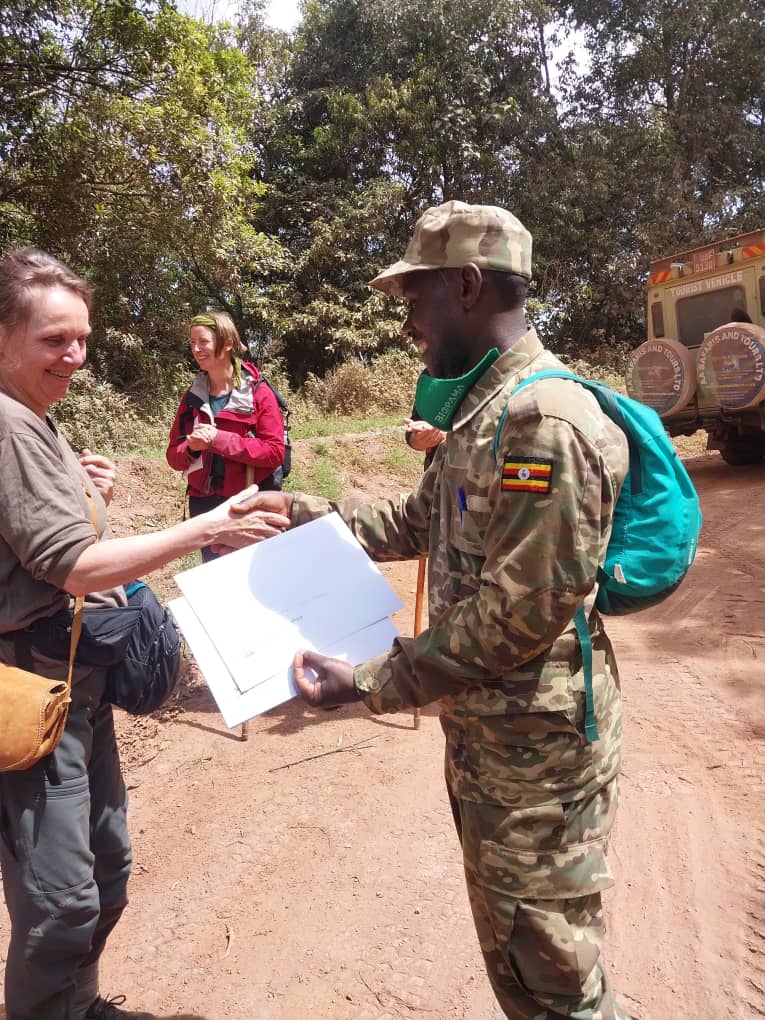
Travellers do not fully choose the exact gorilla family they will trek. During the morning briefing at Volcanoes National Park headquarters, ranger teams allocate visitors to different gorilla families based on fitness level, age, permit numbers, group location, and available trekking conditions. Visitors who prefer a shorter or less strenuous trek should inform their guide before briefing, but the final decision remains with the park authorities
Susa Gorilla Family
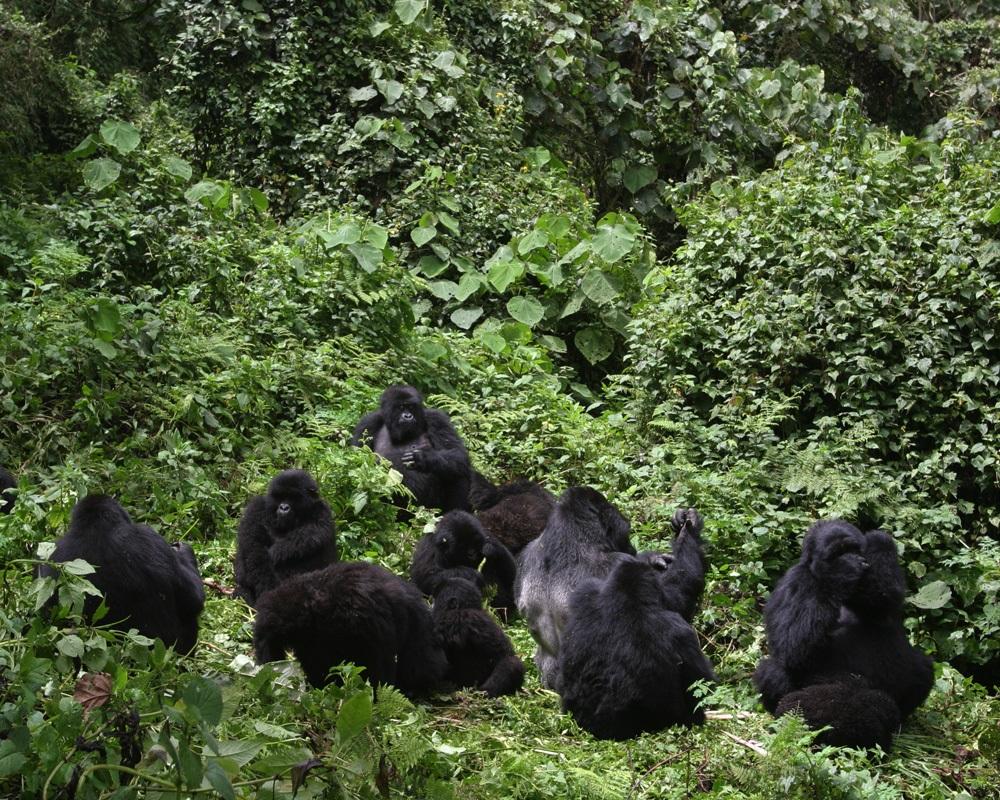
The Susa family was once one of the largest and most famous gorilla families in Rwanda. It was named after the Susa River, which flows near the area where the group was commonly found. The family is closely connected to Dian Fossey’s research history and is often associated with the slopes of Mount Karisimbi. Because the original group became very large, it later split, creating what is commonly known as Susa A and Karisimbi, also called Susa B. The Susa family is known for the famous twins, Byishimo and Impano, and their mother, who made the group especially popular with visitors. This group can be physically demanding to trek because it often stays on higher mountain slopes. Travellers who are allocated this family should consider hiring a porter to help carry water, camera gear, and other supplies.
Karisimbi Gorilla Family
The Karisimbi family is also known as Susa B. It split from the original Susa group after the family became too large. This family is usually associated with higher slopes around Mount Karisimbi, Rwanda’s highest volcano. It can be one of the more strenuous groups to trek because the gorillas may move deeper or higher into the forest. Karisimbi is best suited to experienced hikers or travellers with good fitness. In some cases, the trek may take several hours or most of the day, depending on the group’s location.
Sabyinyo Gorilla Family
The Sabyinyo family is named after Mount Sabyinyo and is often found around the lower slopes between Sabyinyo and Gahinga. It is commonly considered one of the easier families to trek because it often stays closer to the lower forest areas. The family is known for Guhonda, one of the most famous dominant silverbacks in Volcanoes National Park. This group is suitable for travellers who prefer a less strenuous trek, although gorilla movements can never be fully predicted.
Amahoro Gorilla Family
Amahoro means peace, and the family is known for its calm nature. The name suits the group because it is often described as one of the most peaceful families in Volcanoes National Park. The group is associated with the Karisoke and Bisoke areas and has been led by Ubumwe. Some members later left the group, partly due to the calm nature of its leadership and competition from other silverbacks. This family may require a moderate trek depending on where it is located on the day.
Umubano Gorilla Family
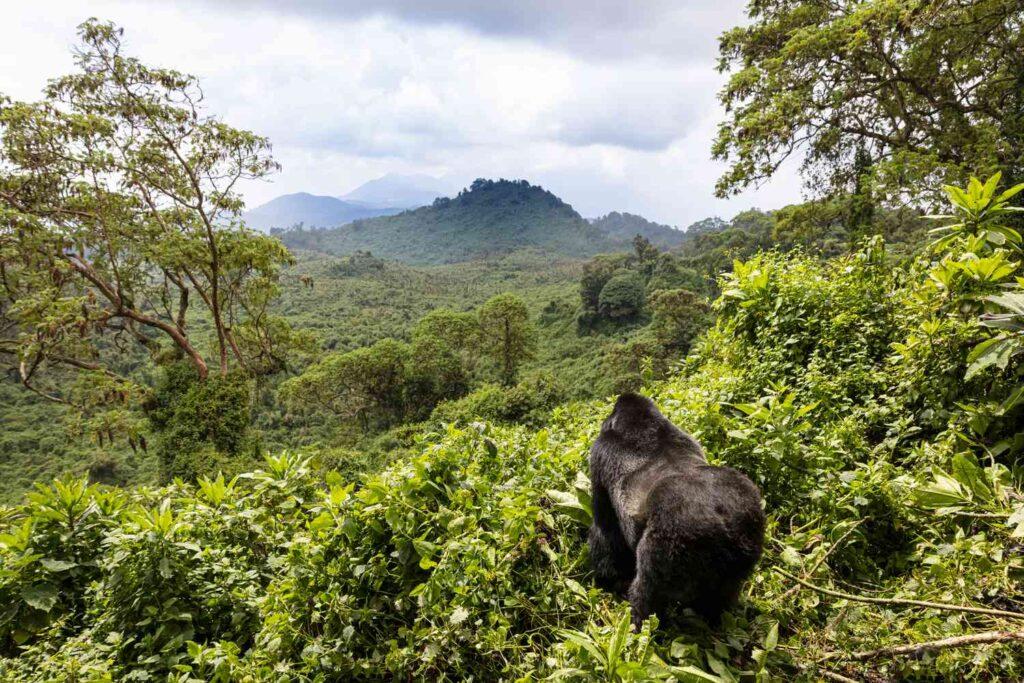
Umubano means neighbourliness. This family split from Amahoro after Charles, one of the silverbacks, challenged Ubumwe and left with some members. After the split, Charles formed his own family. The story of Umubano is important because it shows how gorilla families can change over time through leadership competition, migration, and group formation.
Agashya Gorilla Family, Group 13
Agashya was originally known as Group 13 because it had 13 members when first identified for tourism. The group later grew in size and became known by the name of its dominant silverback, Agashya. He took over after challenging Nyakarima, the former leader, and later moved the group to a different area. This family is known for a strong leadership history and changing group size over time.
Kwitonda Gorilla Family
Kwitonda means humble one. This family migrated from DR Congo and was named after its dominant silverback, Kwitonda. The group has been known for moving deeper into the Virunga landscape, which can make it harder to trek. Visitors allocated this group should be ready for a longer and more demanding forest walk.
 Hirwa Gorilla Family
Hirwa means lucky one. The group was formed when members from Group 13 and Sabyinyo came together. It is a younger family compared to some of the older groups, but it became known for strong leadership and protection from its dominant silverback. Because gorilla families can move across the Virunga area and family structures can change, the current availability of Hirwa should be confirmed before travel.
Bwenge Gorilla Family
Bwenge means wisdom. The family was formed in 2007 after Bwenge left his former group and was later joined by females from other families. This family is commonly associated with the Karisoke slopes and is known by many travellers because it featured in the film “Gorillas in the Mist.” Trekking Bwenge can be demanding because the trails may be muddy and slippery, and visitors often hike uphill for several hours.
Ugenda Gorilla Family
Ugenda means being on the move. This family is commonly associated with the Karisimbi area and is known for moving frequently from one location to another. Because of this movement, the trek can be long and unpredictable. Visitors allocated this family should prepare for a more active trekking day.
How to Choose the Best Gorilla Family to Trek in Rwanda
In Rwanda, the best gorilla family depends on fitness, trekking preference, and daily gorilla location. Visitors looking for an easier trek may request a family closer to the lower slopes, while experienced hikers may be comfortable with groups found around Karisimbi, Bisoke, or higher forest areas. However, the final allocation is made by rangers at Volcanoes National Park headquarters on the morning of trekking. It is best to communicate your fitness level and expectations early so your guide can advise during the briefing.