
Cultural tours in Uganda and Rwanda give travellers a deeper understanding of East Africa beyond wildlife and landscapes. These experiences focus on people, traditions, beliefs, food, music, and daily life across different communities. Uganda and Rwanda are both strong cultural destinations. Uganda stands out for its diversity, with more than 50 tribes and several historic kingdoms. Rwanda offers a more unified cultural identity, shaped by shared language, traditions, and royal heritage. With AA Safaris and Tours, cultural tours can be experienced as short city visits, community encounters, or longer safari journeys across different regions. These experiences can also be combined with gorilla trekking, wildlife safaris, and nature-based activities.
Uganda Cultural Tours, Tribes, Kingdoms and Traditions
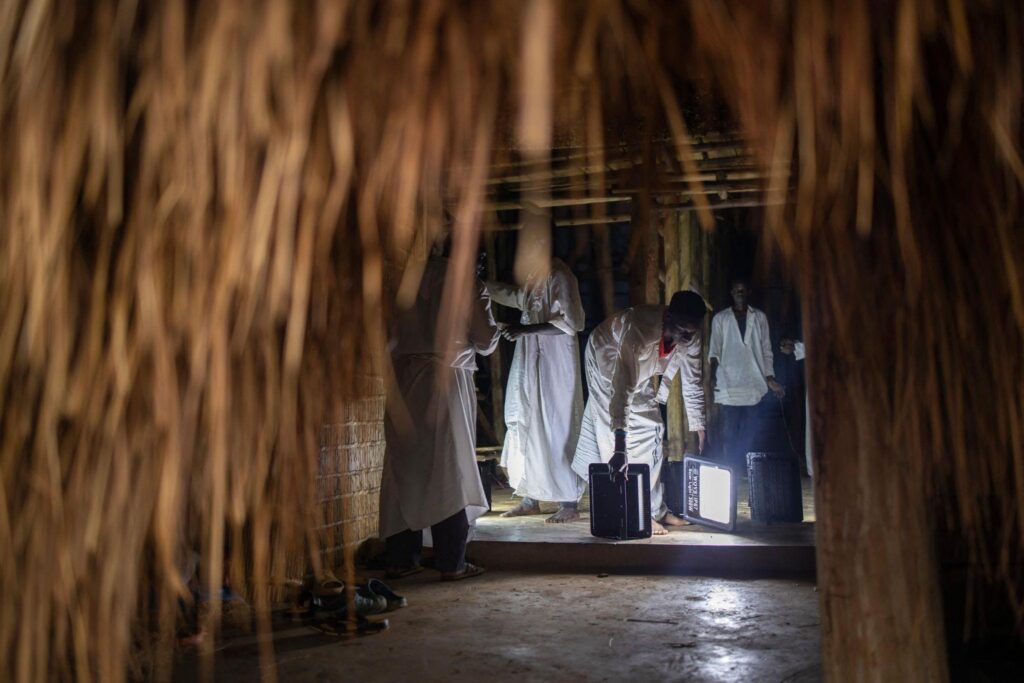
Uganda has over 50 tribes, making it one of the most culturally diverse countries in Africa. This diversity allows travellers to experience different traditions, languages, foods, music, and ways of life within a single destination. These cultures are broadly grouped into Bantu and Nilotic communities, each with distinct historical backgrounds and cultural practices. For easier exploration, Uganda’s cultural experiences are often organised by region.
Central Uganda Culture and Buganda Kingdom
The central region is dominated by the Baganda, the largest ethnic group in Uganda. This area is home to the Buganda Kingdom, one of the most organised traditional kingdoms in East Africa. Visitors can explore sites such as the Kabaka’s Palace, the Kabaka’s coronation site, and cultural centres that highlight royal traditions, governance systems, and ceremonies.
Eastern Uganda Culture and Communities
Eastern Uganda is home to tribes such as the Basoga, Bagisu, and Iteso. Cultural experiences here include traditional dances, local farming practices, and community visits. In some areas, visitors can learn about Imbalu circumcision ceremonies among the Bagisu, which are important cultural rites of passage.
Western Uganda Kingdoms and Heritage
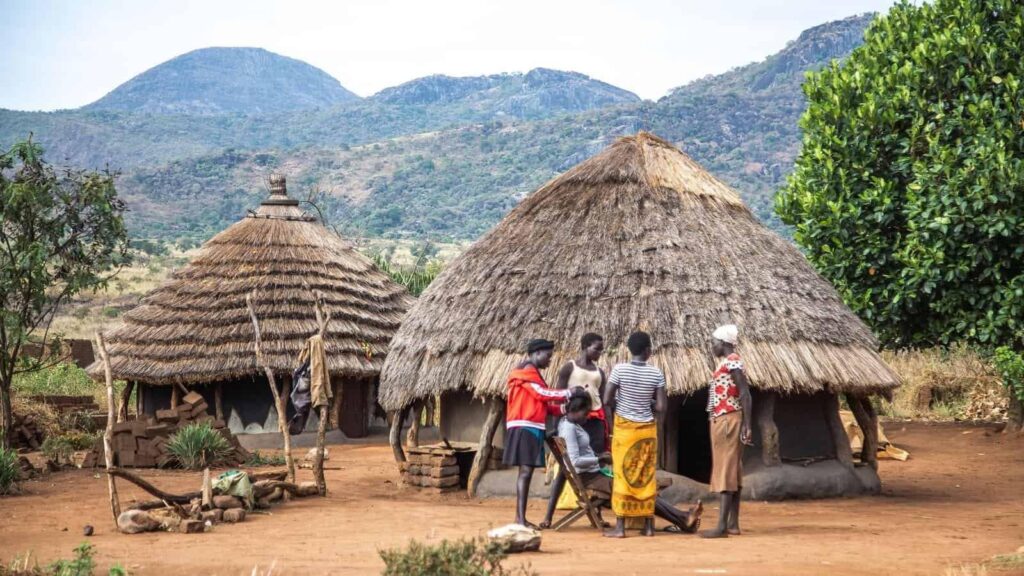
Western Uganda is known for kingdoms such as Tooro, Ankole, and Kigezi communities. Visitors can explore the Tooro Palace, learn about cattle culture in Ankole, and experience local traditions tied to agriculture and pastoral life.
Northern Uganda Culture and Traditions
Northern Uganda is home to the Acholi, Langi, Lugbara, and other Nilotic groups. Cultural tours here focus on storytelling, traditional dances, and post-conflict community experiences that show resilience and cultural preservation.
Languages and Religion in Uganda
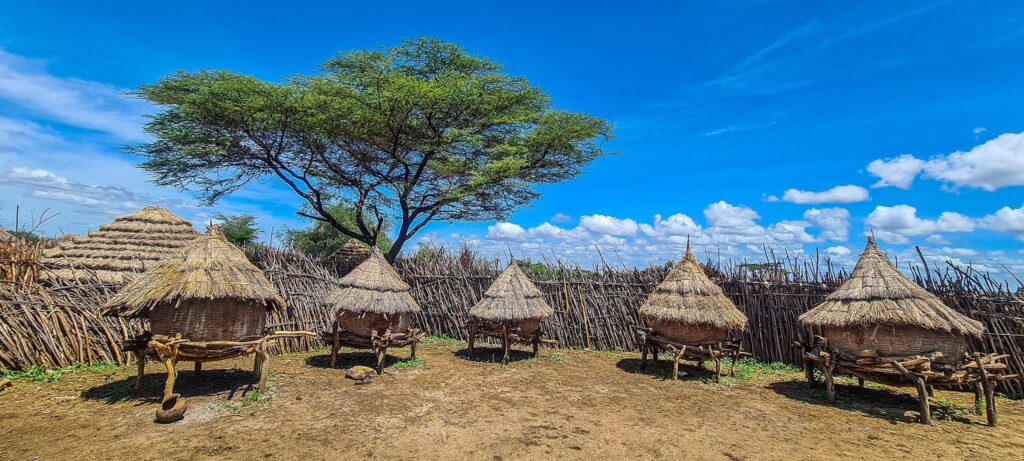
Each tribe in Uganda has its own language, although English and Swahili are widely used for communication. Luganda is one of the most commonly spoken local languages, especially in central Uganda. Uganda is also religiously diverse, with Christianity and Islam being the most widely practiced. Major groups include Catholics, Protestants, Muslims, Seventh-day Adventists, and Pentecostal communities. Religious sites and events, such as the Namugongo Martyrs Shrine, are important cultural and spiritual landmarks that can be included in cultural tours
Cultural Sites to Visit in Uganda
Some of the key cultural sites to visit in Uganda include:
- Kabaka’s Palace in Kampala, a symbol of Buganda Kingdom authority
- Uganda National Museum, which showcases Uganda’s cultural heritage
- Tooro Palace in Fort Portal, representing western Uganda’s royal history
- Karamoja region, known for its unique pastoral traditions and semi-nomadic lifestyle
- Kabaka’s Coronation Site at Naggalabi, an important Buganda cultural landmark
- Tombs to include the Kasubi Tombs, Nkonko njeru, etc
- Nyero rock paintings
- Busoga kingdom and cultural sites.
- Ingongo cultural centre
- Ndere troupe cultural centre
These sites offer insight into Uganda’s history, governance systems, and traditional lifestyles.
Rwanda Cultural Tours and Heritage Experiences
Rwanda offers a more unified cultural experience compared to Uganda. The country is home to three main ethnic groups, the Hutu, Tutsi, and Twa, also known as the Batwa. The Batwa are traditionally forest dwellers and represent one of the oldest communities in the region. Today, cultural tours provide an opportunity to learn about their traditional way of life and how it has changed over time. Despite the presence of different ethnic groups, Rwanda has a shared national identity. Kinyarwanda is spoken across the country, making communication easier for visitors.
Top Cultural Sites to Visit in Rwanda
Rwanda has several cultural and historical sites that provide insight into its traditions and heritage:
- Iby’Iwacu Cultural Village near Volcanoes National Park, where visitors experience traditional dances, local lifestyles, and community interactions
- The King’s Palace Museum in Nyanza, which showcases Rwanda’s royal history and traditional architecture
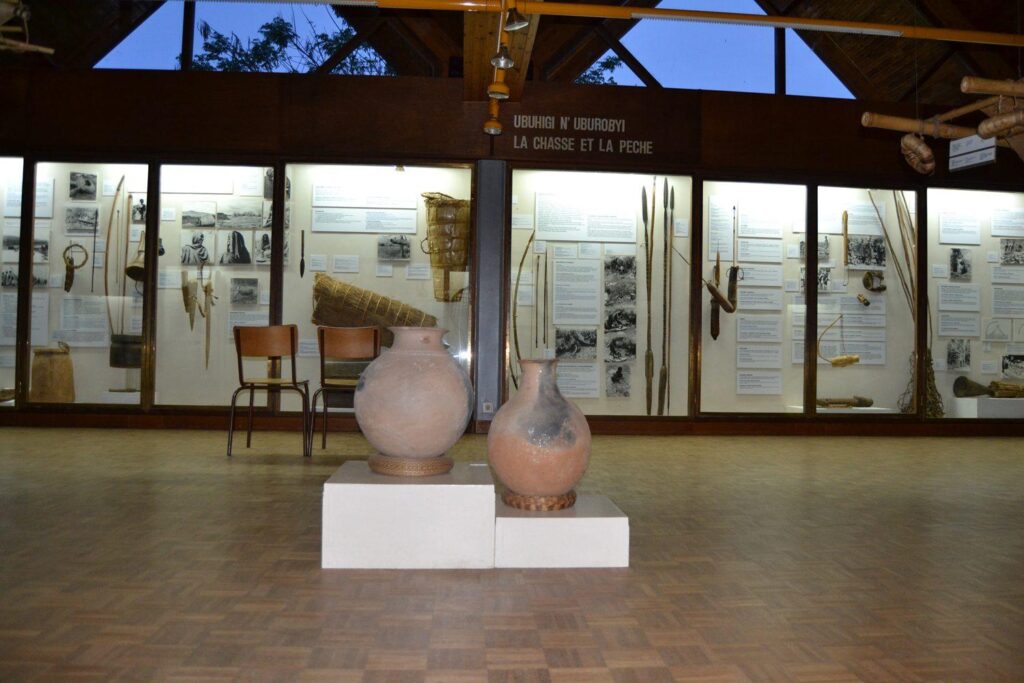
- Rwanda National Museum in Huye, offering exhibits on culture, history, and daily life
- Kigali cultural experiences, including craft markets, local cuisine, and memorial sites
These experiences can easily be added to a gorilla trekking safari or city tour in Rwanda.
Why Cultural Tours Matter on a Safari
Cultural tours add depth to a safari by connecting travellers with the people behind the landscapes. While wildlife and nature are a major part of East African travel, cultural experiences provide a more complete understanding of the region. They also support local communities through tourism, helping preserve traditions while creating income opportunities.
Traveller reviews and safari inspiration

Browse More Uganda Safari Tours
- 2 days gorilla safari Bwindi
- 3 days Gorilla trek Uganda
- 3 days Murchison Falls safari
- 3 days Queen Elizabeth safari
- 3 days Kibale Chimpanzee safari
- 4 days flying gorilla tracking safari
- 5 Days gorilla and wildlife Uganda Safari
- 6 days Uganda safari
- 7 days primates safari Uganda
- 8 days Uganda and Rwanda safari
- 10 Days Uganda and Rwanda gorilla tour
Share Your Safari Story

Read more About us.