Volcanoes National Park is Rwanda’s leading gorilla trekking destination and one of the best places…
Kasubi Tombs Uganda, Buganda Royal Heritage Site
Kasubi Tombs are one of Uganda’s most important cultural and historical sites. Located in Kampala, they serve as a royal burial ground for former Kabakas of Buganda and remain a sacred place for the Baganda people. The site is recognised as a UNESCO World Heritage Site because of its cultural, spiritual, architectural, and historical value. It is also one of the 31 royal tomb sites found across the Buganda Kingdom. For visitors on a Kampala city tour, Kasubi Tombs offer a deeper understanding of Buganda history, royal traditions, and Uganda’s cultural identity.
Traditional Architecture at Kasubi Tombs
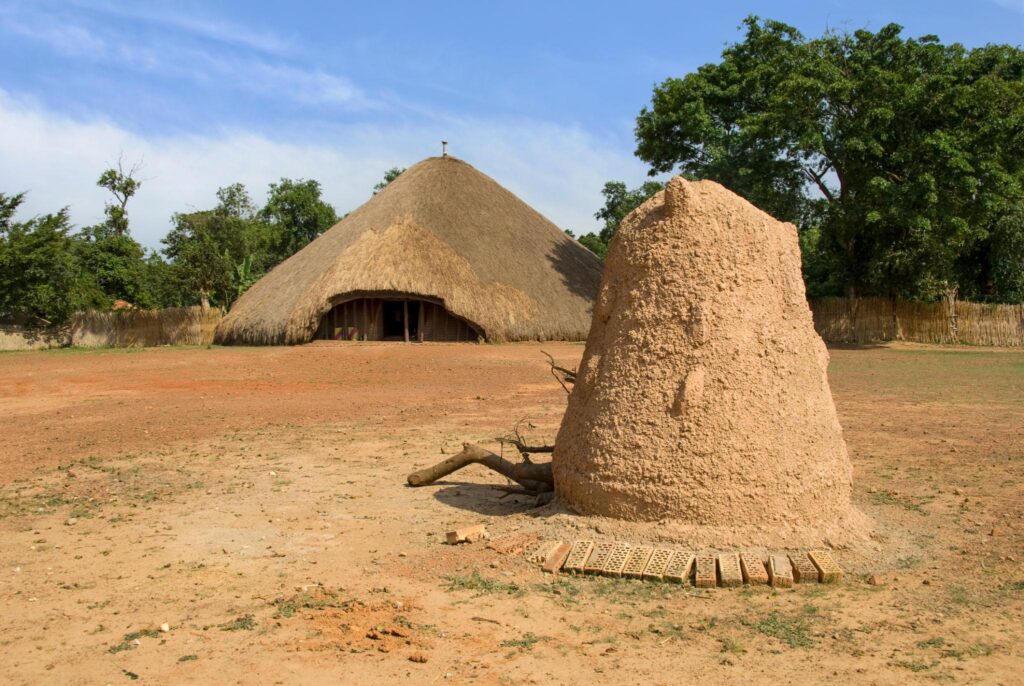
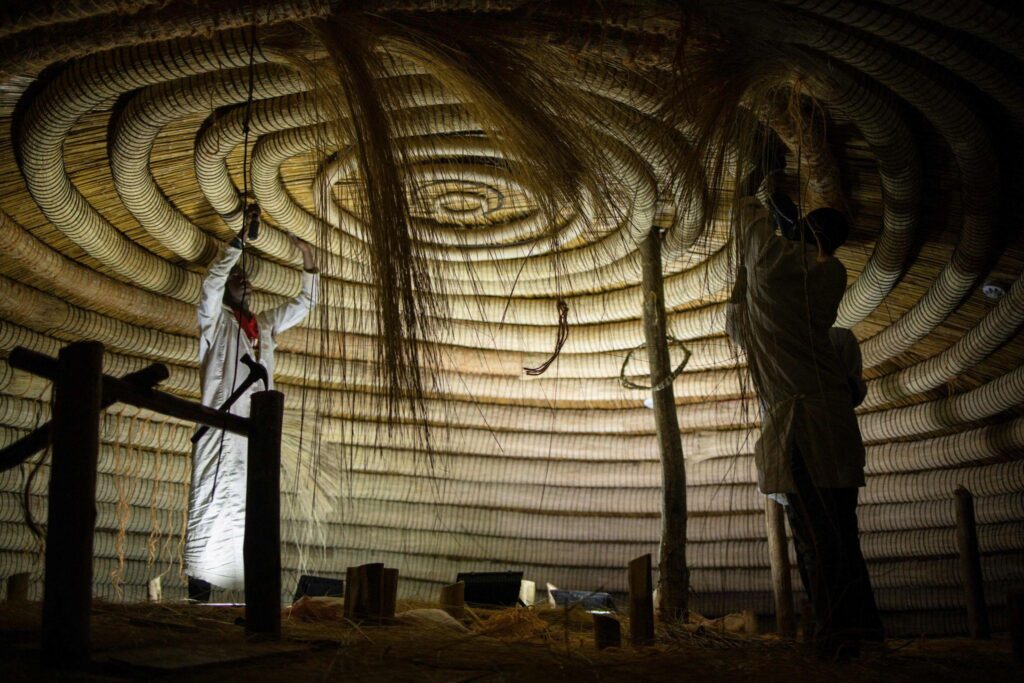
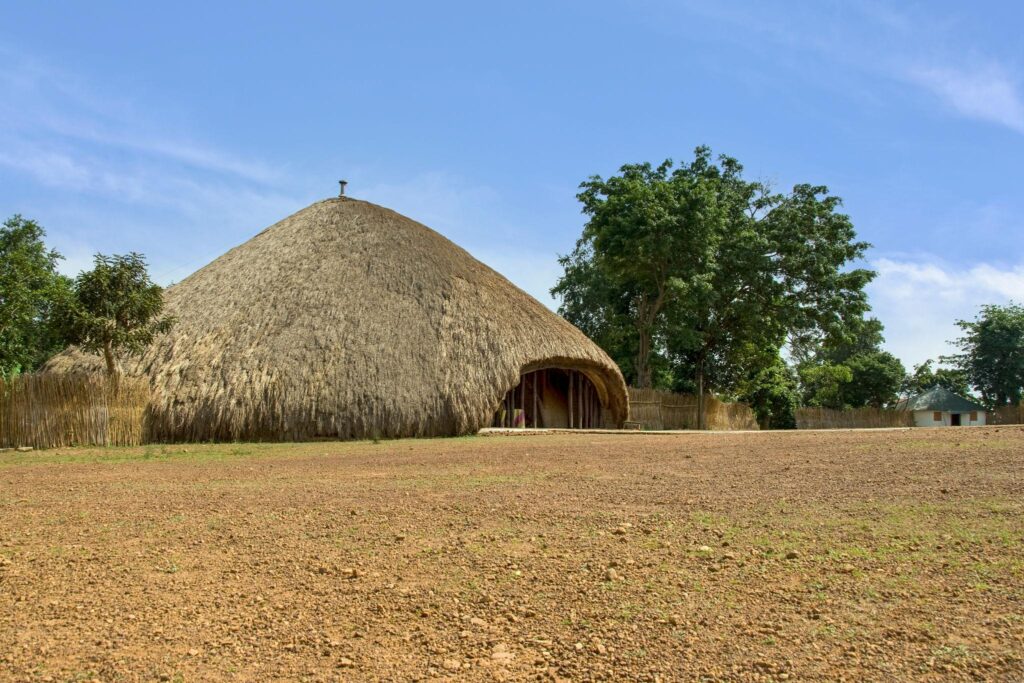
Kasubi Tombs are a powerful example of traditional Ganda architecture. The structures were built using natural materials such as reeds, grass, wattle, poles, and other locally available materials. The main structure, Muzibu Azaala Mpanga, is especially important because of its size, design, and cultural meaning. It reflects the skill of traditional builders and the spiritual values attached to royal burial sites in Buganda. In 2010, a fire damaged the site, leading to years of restoration work. The rebuilding process has focused on protecting the cultural meaning of the site while preserving its traditional architectural style.
Size and Location of Kasubi Tombs
Kasubi Tombs sit on about 64 acres of land on Kasubi Hill in Kampala. The site is not entirely covered by graves, as it also includes gardens, open spaces, and traditional areas that support the cultural setting of the tombs. One of the main structures is Muzibu Azaala Mpanga, the circular royal building that houses the tombs of four former Kabakas. The surrounding area helps preserve the traditional atmosphere of the site and shows how royal burial grounds in Buganda are connected to both land and spiritual practice.
Kabakas Buried at Kasubi Tombs
Kasubi Tombs became a royal burial site after the death of Kabaka Muteesa I in 1884. Before then, he had built the site as a royal palace in 1882, replacing an older palace built by his father, Kabaka Ssuuna II. The four Kabakas buried at Kasubi Tombs are: Kabaka Muteesa I, who built the palace at Kasubi before it became a royal burial site. Kabaka Mwanga II, he died in exile in Seychelles and was later connected to the royal burial history of Kasubi. Kabaka Daudi Chwa II, his one of the former Kabakas, whose tombs are housed at the site. Kabaka Sir Edward Muteesa II, He died in exile in London and remains an important figure in Buganda and Uganda’s political history. Other royal family tombs are found in different parts of the site and across the wider Buganda Kingdom.
Why Kasubi Tombs Are Sacred to the Baganda People
Kasubi Tombs are built according to the traditional norms and spiritual beliefs of the Baganda people. They are not only historical structures, but also sacred places connected to kingship, ancestry, rituals, and identity. The site remains a spiritual centre for the Baganda people and the Buganda Kingdom. This is why visitors should treat Kasubi Tombs with respect, follow guidance from site guides, and understand that the place is still culturally active.
What Visitors Experience at Kasubi Tombs
Visitors to Kasubi Tombs can learn about the history of the Buganda Kingdom, the role of the Kabakas, traditional architecture, royal burial customs, and the spiritual beliefs connected to the site. The site also shows the continuous existence of African culture and traditions through storytelling, rituals, symbolic structures, and royal heritage. Its main value is not only in the buildings, but also in the intangible heritage it protects, including spirituality, identity, oral history, and cultural memory. This makes Kasubi Tombs an important stop for travellers interested in Uganda beyond wildlife safaris.
Cultural Crafts and Souvenirs at Kasubi Tombs
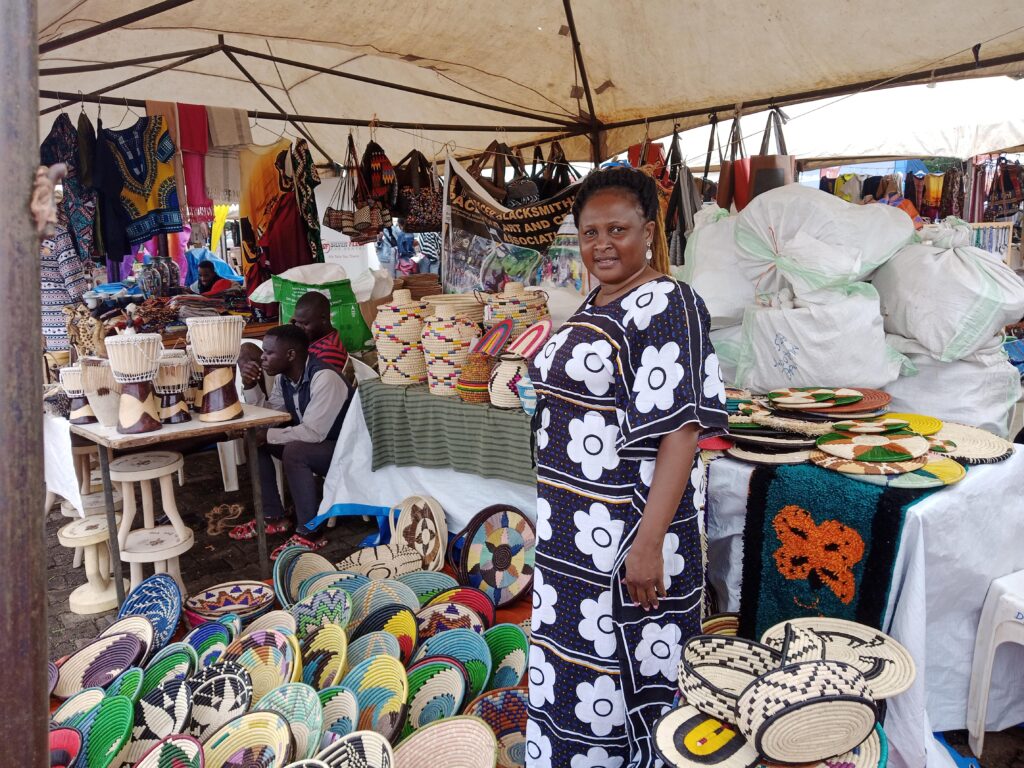
Kasubi Tombs are important not only to Uganda but also to East Africa’s wider cultural heritage. Visitors may find craft shops at or near the site where they can buy cultural items, handmade crafts, and souvenirs connected to Buganda traditions. Buying locally made crafts can support the community and gives travellers a meaningful reminder of their cultural tour.
Add Kasubi Tombs to a Kampala City Tour
Kasubi Tombs are one of the most meaningful cultural sites to visit in Uganda. They connect visitors to the history of the Buganda Kingdom, the lives of former Kabakas, traditional Ganda architecture, and the spiritual identity of the Baganda people. For travellers planning a Kampala city tour, Kasubi Tombs are a strong addition alongside the Uganda Museum, Kabaka’s Palace, Gaddafi National Mosque, local markets, and craft centres. They also give safari travellers a deeper cultural experience before or after visiting Uganda’s national parks.
Related Posts