Volcanoes National Park is Rwanda’s leading gorilla trekking destination and one of the best places…
Uganda Gorilla Permit Fees 2024 to 2026
Uganda gorilla permit fees increased under the Uganda Wildlife Authority conservation tariff running from July 2024 to June 2026. The standard gorilla trekking permit now costs USD 800 for foreign non-residents, USD 700 for foreign residents, USD 500 for citizens from the rest of Africa, and UGX 300,000 for East African citizens. These permits apply to gorilla trekking in Bwindi Impenetrable National Park and Mgahinga Gorilla National Park. For travellers, the permit is one of the most important costs to understand before planning a Uganda gorilla safari, because availability is limited and each permit is tied to a specific tracking date. Although the increase may raise the total safari budget, the fee supports gorilla conservation, ranger-guided tracking, community development, and protection of the forests where mountain gorillas live. Booking early also helps secure the right sector in Bwindi or the best route for your full Uganda safari.
Gorilla Tracking Permits in Uganda: What You Need to Know
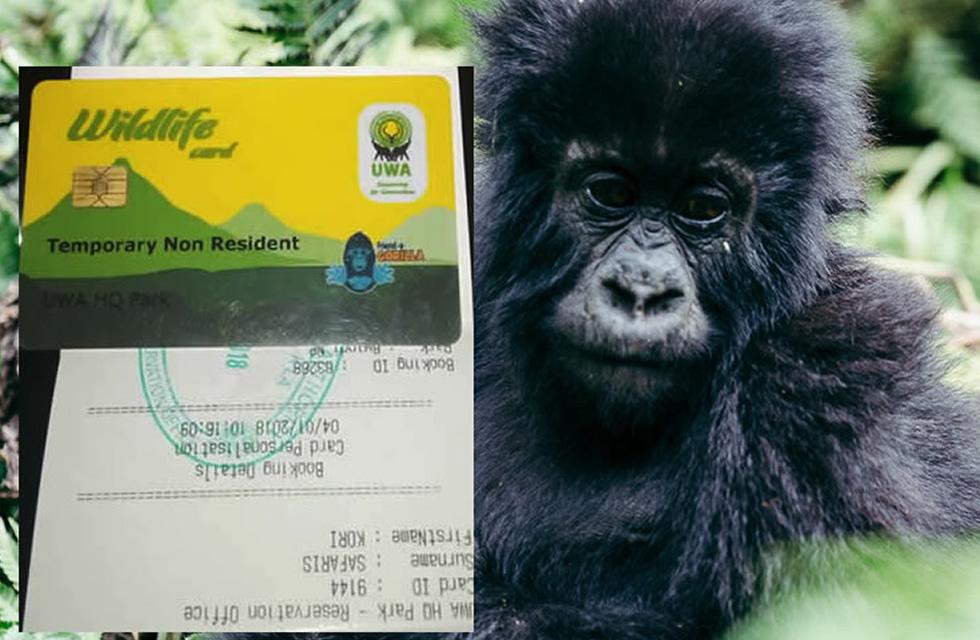
Anyone planning to track gorillas in Uganda must secure a gorilla trekking permit in advance. This permit allows access to gorilla families in either Bwindi Impenetrable National Park or Mgahinga Gorilla National Park. Uganda hosts more than half of the world’s remaining mountain gorillas, making it one of the most important destinations for this experience. Because only a limited number of permits are issued each day, availability is tight, especially during peak travel months. Each permit is tied to a specific date and tracking sector, so early booking is essential for travellers with fixed travel plans.
Why Uganda Increased Gorilla Permit Fees
The increase in gorilla permit fees is primarily driven by conservation needs. Uganda continues to invest heavily in protecting mountain gorillas and maintaining the forests where they live. Revenue from permits supports ranger patrols, veterinary care, habitat protection, and community programmes around the parks. These efforts reduce human-wildlife conflict and create incentives for local communities to protect gorillas. Rather than focusing on visitor numbers alone, Uganda is strengthening a model that balances conservation funding with controlled tourism access.

How Gorilla Permit Fees Support Conservation in Uganda
Funds from gorilla permits are directed into several key conservation areas. These include anti-poaching patrols, monitoring gorilla health, and restoring degraded forest areas. A portion of the revenue also supports local communities through revenue-sharing programmes, which fund schools, health centres, and infrastructure. This approach helps communities benefit directly from tourism, reducing pressure on protected areas. By maintaining strict visitor limits and reinvesting in conservation, Uganda ensures that gorilla tourism remains sustainable over the long term.
How the Permit Increase Affects Gorilla Safaris
The updated permit fees may influence travel decisions, especially for budget-conscious travellers. However, Uganda remains one of the most competitive destinations for gorilla trekking when compared to other countries in the region. Bwindi Impenetrable National Park and Mgahinga Gorilla National Park continue to attract visitors due to their high success rates, diverse gorilla families, and the ability to combine gorilla tracking with other safari experiences. By maintaining controlled visitor numbers, Uganda protects the quality of the experience while limiting environmental impact.
Planning a Gorilla Safari in Uganda
A gorilla safari in Uganda requires careful planning. In addition to securing permits, travellers need to consider accommodation, transport logistics, and the fitness levels required for trekking. Tracking can take between 2 to 8 hours depending on the movement of gorilla families, and terrain can be steep and forested. Visitors are guided by trained rangers and trackers who ensure both safety and a respectful interaction with the gorillas. Because permits are limited, it is recommended to book at least 3 to 6 months in advance, especially for travel during peak seasons.
Uganda Gorilla Permit Prices From July 2024 to June 2026
Starting 1st July 2024, gorilla permit fees are as follows:
- Foreign non-residents, USD 800
- Foreign residents, USD 700
- Rest of Africa citizens, USD 500
- East African citizens, UGX 300,000
The Uganda Wildlife Authority issues these permits and applies to gorilla trekking in both Bwindi and Mgahinga.
Gorilla Habituation Experience in Uganda
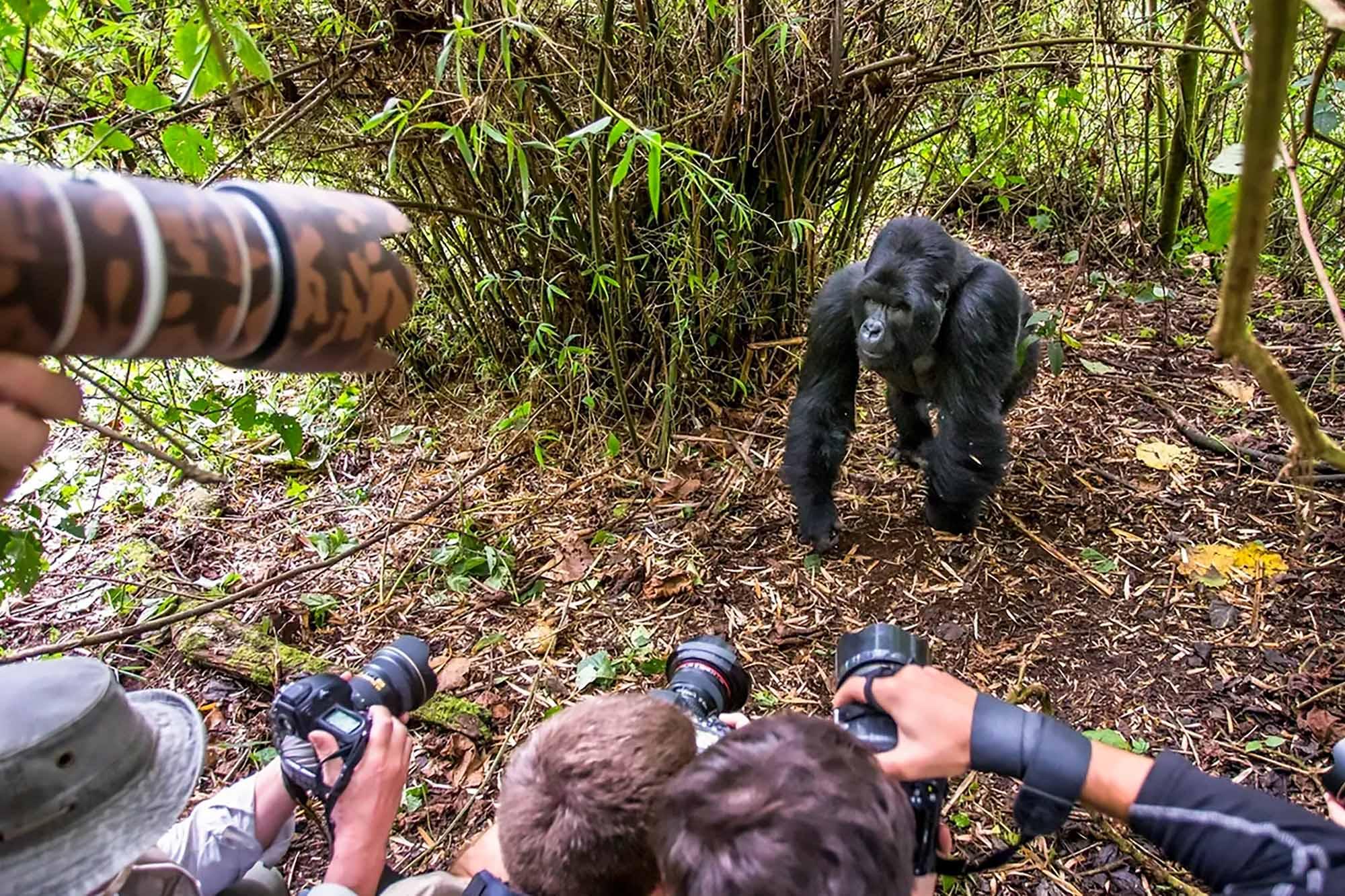
Uganda also offers a gorilla habituation experience, which allows visitors to spend up to four hours with a semi-habituated gorilla group. This experience is only available in the southern sectors of Bwindi and is limited to just four permits per day, making it highly exclusive. Prices remain:
- USD 1,500 for foreign non-residents
- USD 1,000 for foreign residents and African citizens
This option is ideal for photographers and travellers seeking a deeper, more extended interaction.
Chimpanzee Tracking Permit Fees in Uganda
Uganda has also updated chimpanzee tracking permit fees. The most popular location for this activity is Kibale National Park, known for its high chimpanzee population. New rates include:
- Foreign non-residents, USD 250
- Foreign residents, USD 200
- East African citizens, UGX 180,000
Chimpanzee tracking is often combined with gorilla safaris to create a more complete primate experience.
Is Uganda Still Worth It for Gorilla Trekking
Although permit prices have increased, Uganda remains one of the best-value destinations for gorilla trekking. The combination of diverse gorilla families, multiple trekking sectors, and the ability to combine wildlife safaris makes it highly attractive. For travellers looking for a well-rounded African safari that includes primates, game drives, and cultural experiences, Uganda continues to offer strong value despite the updated fees.
Related Posts