
Gorilla trekking is one of the most popular wildlife safari activities in Uganda. The country…
How to Plan a Uganda Safari Step by Step
Planning a Uganda safari can feel overwhelming for first-time travellers because the country offers many different experiences, including gorilla trekking, chimpanzee tracking, wildlife safaris, birding, cultural tours, mountain hiking, boat cruises, and short city excursions. Uganda safaris can range from half-day tours around Kampala and Entebbe to extended 30 or 40-day journeys across national parks, lakes, forests, and cultural regions. For travellers, the best Uganda safari depends on travel dates, budget, number of days, preferred activities, accommodation style, fitness level, and whether gorilla trekking or chimpanzee tracking is included. A well-planned itinerary helps you avoid long rushed drives, missed permits, poor route connections, and unsuitable accommodation. This Uganda safari planning guide explains how to choose your must-do activities, decide the number of days, select the best travel month, choose accommodation, set a realistic budget, work with a trusted tour operator, and confirm your booking with confidence.
Uganda Safari Planning Guide for First Time Travellers
Choose Your Must Do Uganda Safari Experiences
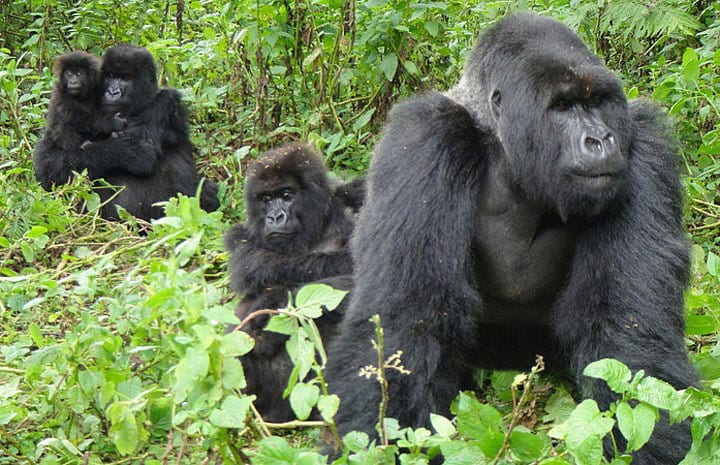
The first step in planning a Uganda safari is deciding which experiences matter most to you. Uganda offers many options, but not every activity can fit into a short itinerary. Your main interests will determine the route, number of days, accommodation, transport style, and overall budget. For many international travellers, gorilla trekking in Bwindi Impenetrable National Park or Mgahinga Gorilla National Park is the main reason for visiting Uganda. Others may focus on chimpanzee tracking in Kibale Forest, wildlife safaris in Murchison Falls and Queen Elizabeth National Park, bird watching, cultural tours, boat cruises, or adventure activities in Jinja. If it is your first Uganda safari, combine two or three key experiences instead of trying to visit too many places in a short time. A balanced safari may include gorilla trekking, chimpanzee tracking, wildlife viewing, and one boat safari.
Decide How Many Days You Need for a Uganda Safari
The number of days you spend in Uganda will determine how many destinations and activities you can include. Uganda looks small on the map, but safari routes can involve long drives, especially when travelling from Entebbe or Kampala to Bwindi, Queen Elizabeth, Kibale, Murchison Falls, Kidepo, or Lake Bunyonyi. A short 3-day safari can work for gorilla trekking in Bwindi or a wildlife trip to Murchison Falls. A 5 to 7-day safari can combine gorillas, chimpanzees, and one wildlife park. A 10 to 14-day Uganda safari gives travellers enough time to visit several highlights without rushing. For first-time African safari travellers, 10 to 14 days is usually the best range because it allows time for gorilla trekking, chimpanzee tracking, wildlife viewing, boat cruises, cultural stops, and rest between long travel days.
Choose the Best Month to Visit Uganda
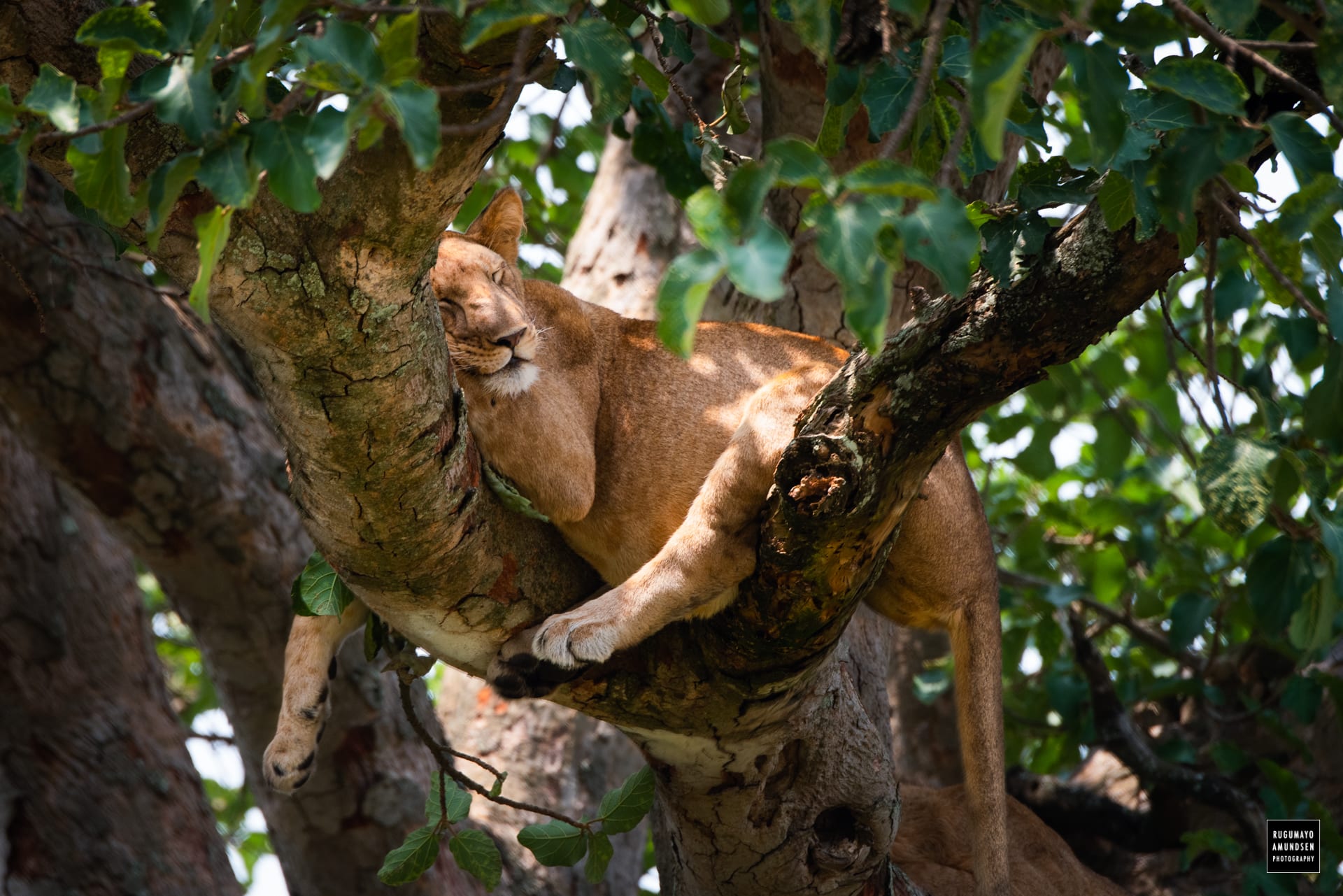
Uganda can be visited throughout the year, but your travel month can affect accommodation availability, road conditions, trekking difficulty, permit availability, and overall safari cost. The most popular travel periods are usually June to September and December to February because these months are generally drier and more comfortable for gorilla trekking, chimpanzee tracking and game drives. March to May and October to November often receive more rain. Safaris still operate during these months, but some roads can become slower and forest treks may be more demanding. The advantage is that some lodges may offer better rates, and popular destinations can feel less crowded. If you plan to travel during peak season, book gorilla permits, chimpanzee permits and lodges early. This is especially important for travellers visiting from the US, UK and Europe during school holidays or summer travel periods.
Choose the Right Safari Lodges and Accommodation
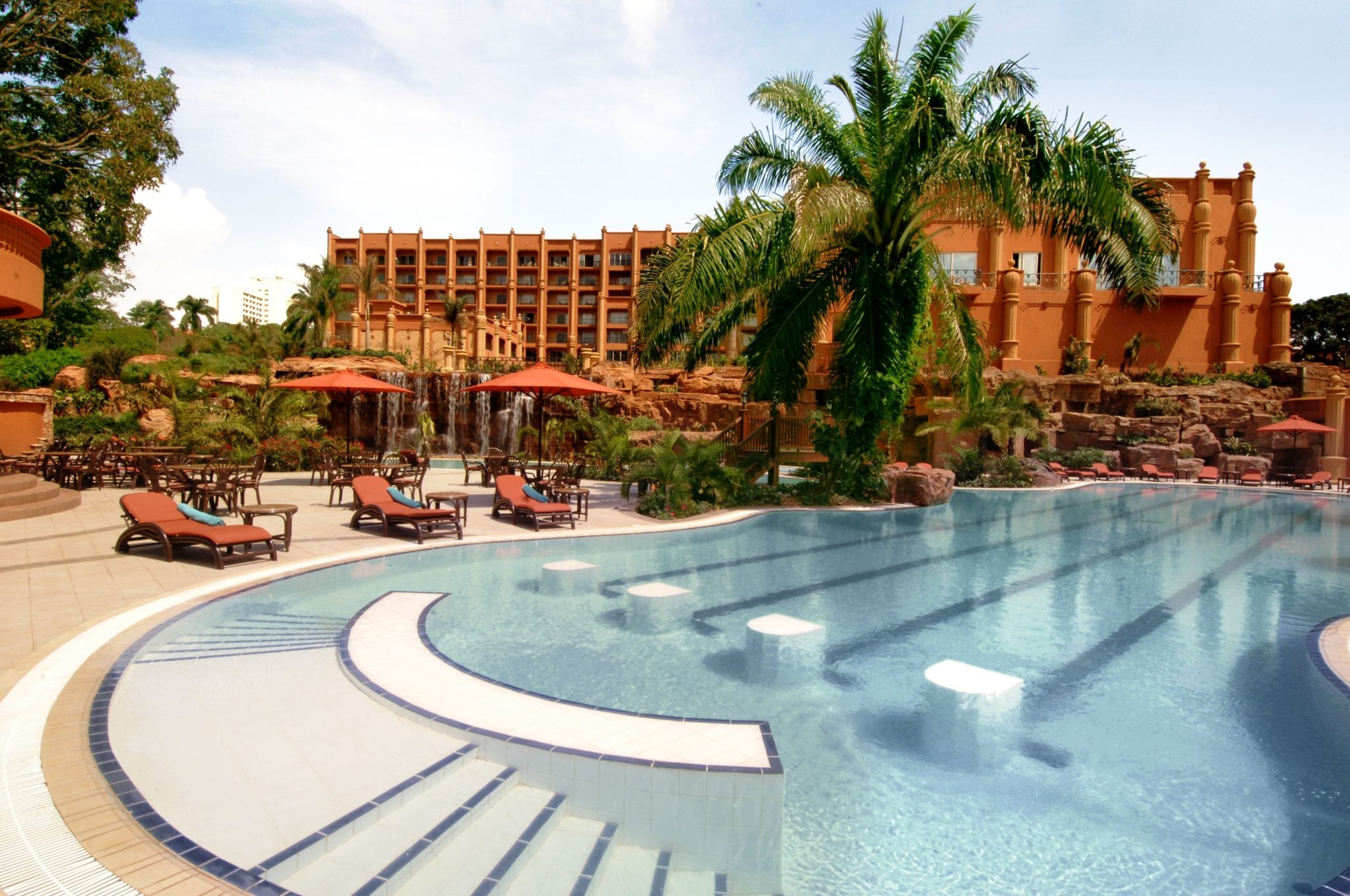
Uganda has a wide range of safari accommodation, from campsites and budget guesthouses to mid-range lodges, boutique camps and luxury safari lodges. Your accommodation choice will affect the comfort, cost and flow of your itinerary. When planning a safari, choose lodges based on location, road access, comfort level, service quality, meal options and distance from activity starting points. For example, gorilla trekking lodges should be close to the correct trekking sector in Bwindi, while wildlife safari lodges should be convenient for game drives and boat cruise departures. Budget travellers can use clean guesthouses and simple lodges, while mid-range travellers can choose comfortable safari lodges with good service. Luxury travellers may prefer high-end lodges with better views, private cottages, fine dining and exclusive service.
Set a Realistic Budget for Your Uganda Safari
It is important to set a realistic budget before requesting a Uganda safari quotation. Safari prices vary depending on the number of days, destinations, accommodation level, vehicle type, permits, park fees, meals, season and group size. For example, a gorilla safari cannot realistically be planned on a very low budget because gorilla permits, transport, accommodation, guiding and park access must all be included. A shorter safari may cost less overall, but some high-value activities such as gorilla trekking or chimpanzee tracking still have fixed permit costs. When contacting a tour operator, share your preferred travel dates, number of travellers, accommodation level, must-do activities and estimated budget range. This helps the operator build a realistic itinerary instead of suggesting options that do not match your expectations.
Work With a Trusted Uganda Tour Operator
Travellers can visit Uganda independently, but planning a safari without local support can be difficult, especially when routes include remote parks, forest trekking areas, ferry crossings, long drives or activities that require permits. A trusted Uganda tour operator helps coordinate transport, accommodation, permits, park fees, guides, meals and daily timing. When choosing a tour operator, check the company’s experience, reviews, registration, response quality, itinerary detail and payment process. A reliable operator should clearly explain what is included, what is excluded, cancellation terms, payment schedule and activity requirements. Working with a local Uganda safari company is especially useful for first-time visitors because the team understands road conditions, park rules, lodge locations, permit availability and realistic travel timing.
Confirm and Book Your Uganda Safari
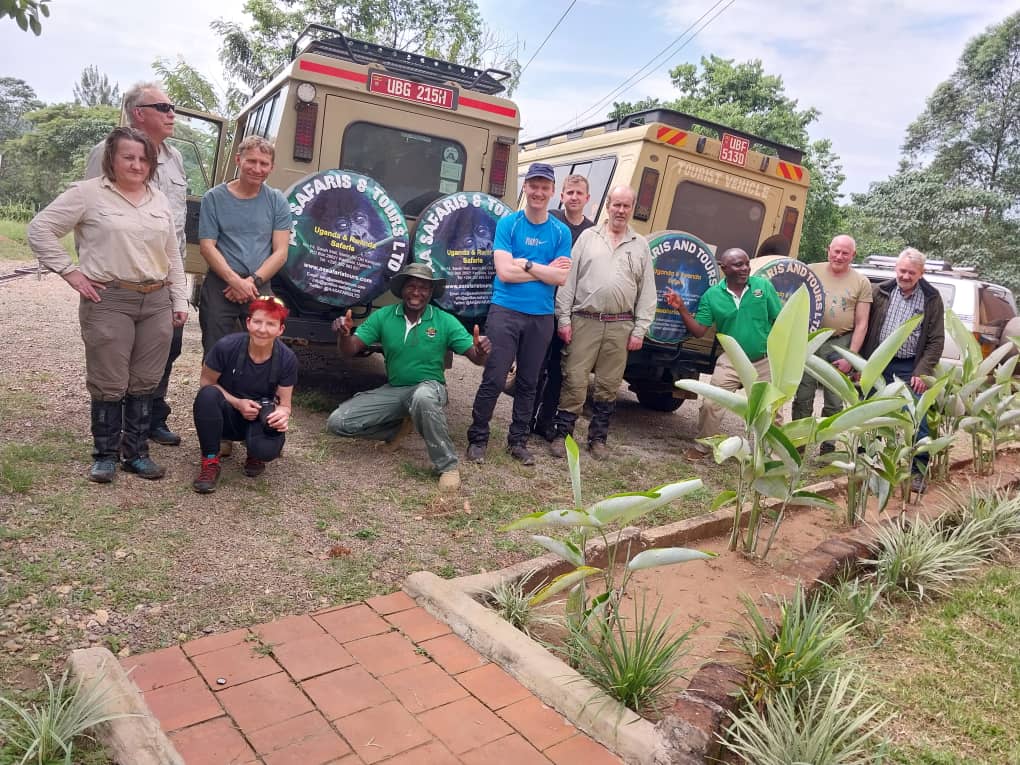
Once you are happy with the proposed itinerary, quotation, accommodation level and travel dates, you can confirm your Uganda safari booking. Most tour operators require a deposit, often between 10 percent and 30 percent of the total safari cost, although this can vary depending on the company, lodge policy and permit requirements. Before making payment, carefully review the itinerary, inclusions, exclusions, cancellation policy, accommodation names, activity permits, transport arrangements, meal plan and payment terms. If your safari includes gorilla trekking or chimpanzee tracking, confirm that permits will be secured after payment. Also inform your tour operator about dietary requirements, medical concerns, mobility limitations, room preferences, honeymoon arrangements or special travel needs. Clear communication before arrival helps the operator prepare a smoother safari experience.
Pack Properly for a Uganda Safari
Pack lightweight clothing, comfortable walking shoes, insect repellent, sunscreen, rain jacket, camera, binoculars, reusable water bottle, personal medication and neutral-coloured safari wear. Gorilla trekking travellers should also pack long trousers, garden gloves, waterproof hiking boots and a small daypack
Related Posts