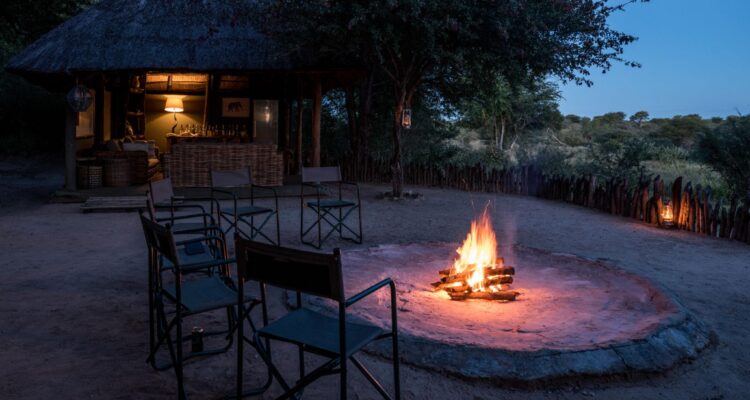
Everyday wonders are the small moments that make travel meaningful, a quiet sunrise, birds calling…
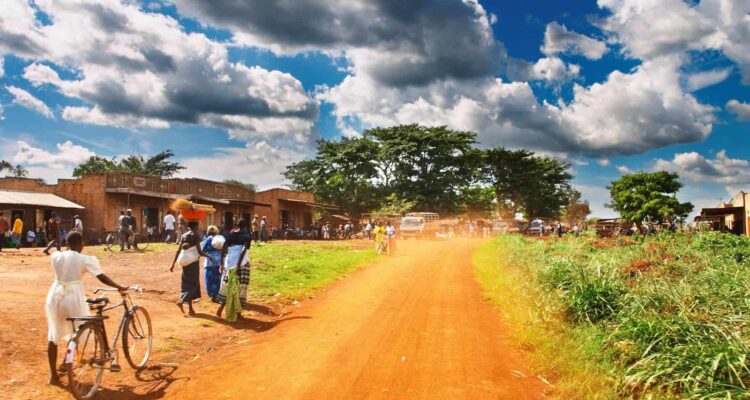
Small Town Charm and Cultural Travel
Small towns are often the places where travellers experience the real rhythm of a destination. Away from large cities and busy tourist centres, they offer local markets, community life, cultural traditions, historic sites, scenic landscapes, and a slower pace of travel. In Uganda and East Africa, small towns often form part of safari journeys. Travellers pass through places such as Jinja, Fort Portal, Kabale, Kisoro, Mbarara, Masindi, and Musanze while connecting to national parks, lakes, forests, mountains, and cultural sites. At AA Safaris and Tours, we believe these stops add depth to a safari. They give travellers a chance to meet local people, taste regional food, learn community stories, and see how daily life connects with wildlife, conservation, and tourism.
Why Small Towns Matter in Travel
Small towns give travellers a slower and more personal way to experience a destination. Instead of only moving between major attractions, visitors can observe local life, interact with communities, and understand how people live outside big cities. On an East African safari, these towns often act as important stopovers between parks and attractions. They help break long drives and add cultural meaning to the journey.
Community Life and Local Connections
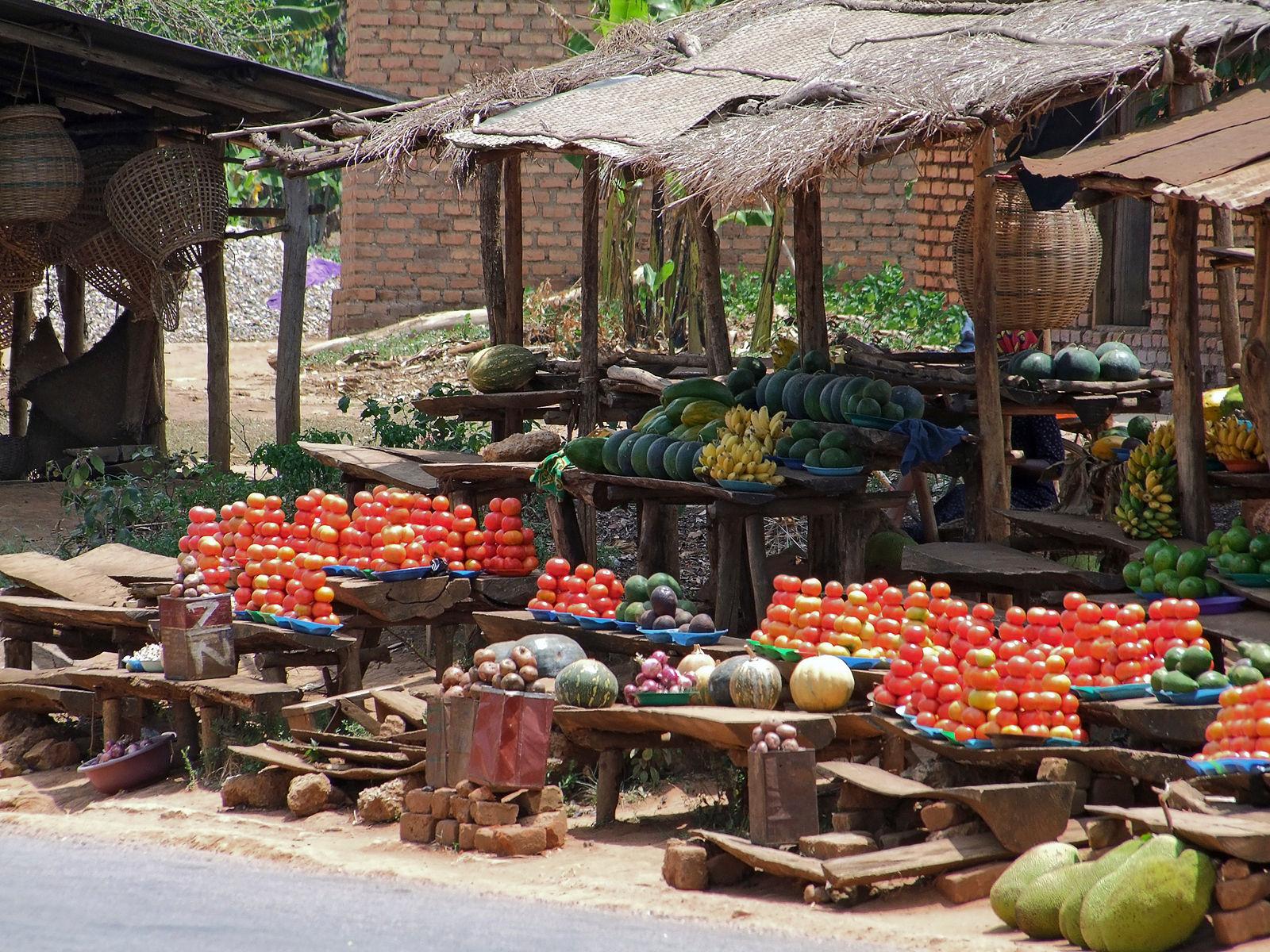
One of the strongest features of small-town travel is the sense of community. Local shops, markets, schools, churches, restaurants, and community events show travellers how people live day to day. For safari travellers, these moments can be just as memorable as major wildlife sightings. A short stop at a local market, a conversation with a guide, or a community walk can create a stronger connection with the destination.
History, Culture and Heritage Stops
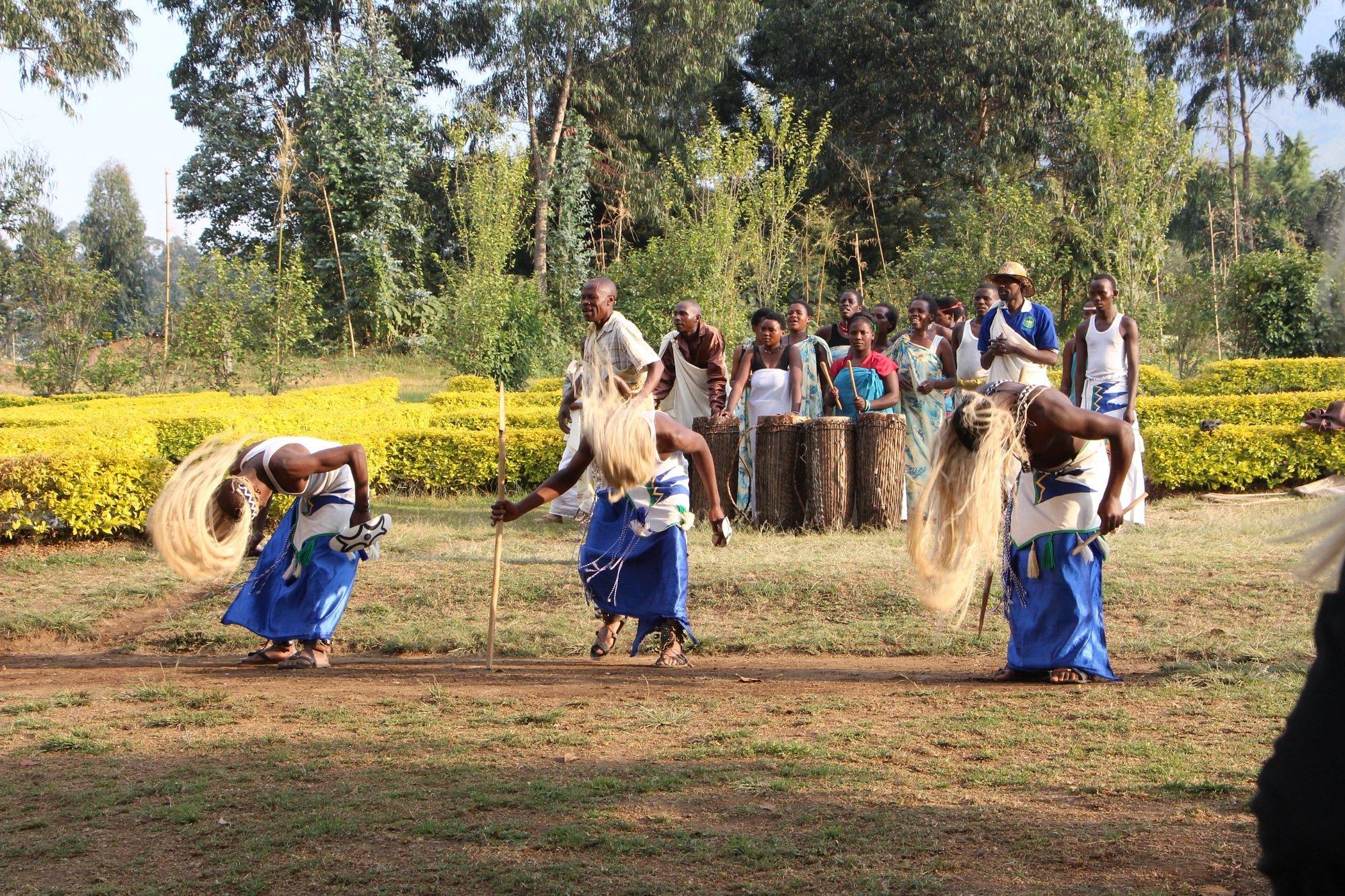
Small towns often preserve local history, architecture, traditions, and cultural heritage. In East Africa, travellers can visit museums, cultural centres, royal sites, craft markets, and historic locations connected to local communities. These experiences are useful for travellers who want more than wildlife viewing. They help explain the identity of a place and give context to the landscapes, parks, and people encountered during a safari.
Nature and Outdoor Experiences Around Small Towns
Many small towns in Uganda and Rwanda are close to forests, lakes, rivers, mountains, wetlands, and national parks. This makes them useful bases for nature walks, hiking, bird watching, cycling, boat trips, and community experiences. For example, Fort Portal connects well with Kibale Forest and the crater lakes. Jinja is known for the River Nile. Kabale and Kisoro connect travellers to gorilla trekking areas, Lake Bunyonyi, and the southwestern Uganda landscapes.
Small Towns on Uganda Safari Routes
Small towns play an important role in Uganda safari planning. They provide access to parks, lodges, restaurants, fuel stops, markets, and cultural activities. Examples include:
- Jinja, for River Nile adventures and cycling
- Fort Portal, for Kibale Forest, crater lakes, and tea estates
- Masindi, for Murchison Falls routes
- Kabale, for Lake Bunyonyi and gorilla safari routes
- Kisoro, for Mgahinga, Bwindi, and Virunga views
- Mbarara, for Western Uganda safari connections
Community Tourism and Local Economic Benefits
Small towns face challenges such as limited employment, youth migration, and pressure on traditional livelihoods. Tourism can support these areas when travellers use local guides, buy crafts, visit community projects, and stay in locally run accommodation. Responsible tourism helps small towns benefit from safari routes while preserving culture, nature, and local identity.
Plan a Cultural Safari with AA Safaris and Tours
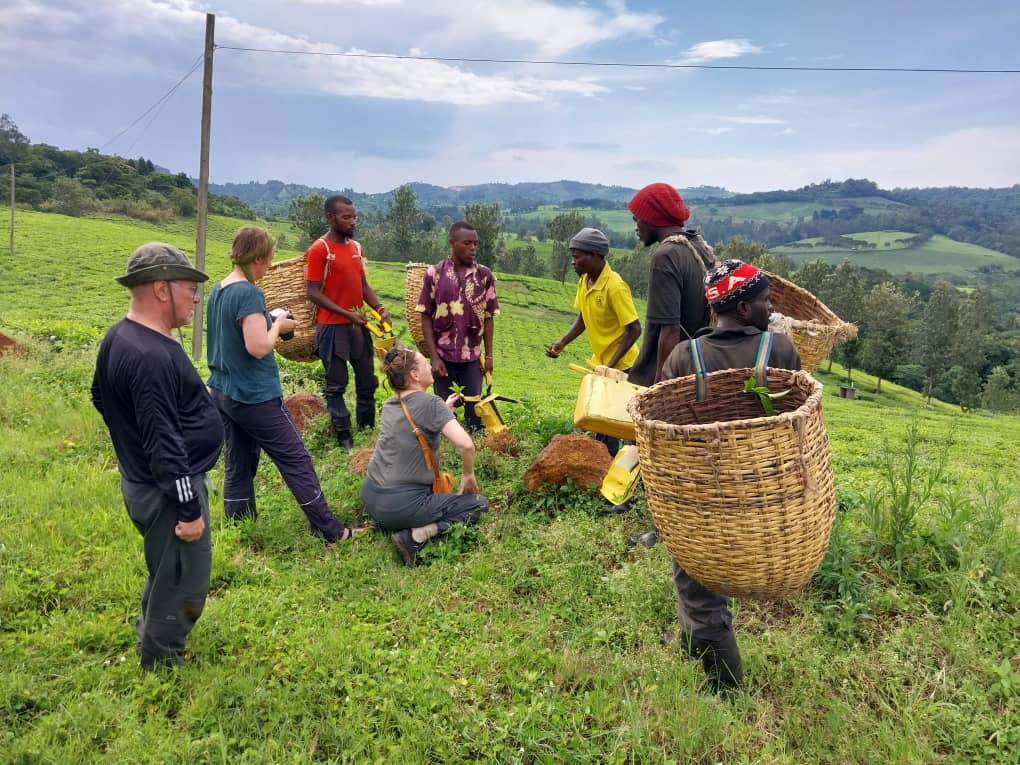
AA Safaris and Tours can include small-town experiences in Uganda and Rwanda safari itineraries. These can include market visits, cultural walks, local food stops, craft shopping, community projects, coffee tours, tea estate visits, and town-based overnight stays. This helps travellers experience more than wildlife and gives the safari a stronger cultural connection.
Related Posts