
Pian Upe Wildlife Reserve is one of Uganda’s largest conservation areas, located in the semi-arid Karamoja sub-region in northeastern Uganda. Covering about 2,788 square kilometres, it offers wide open savannah, rocky outcrops, riverine woodland, and a quiet wildlife experience away from the busy national parks. The reserve is ideal for travellers looking for an off-the-beaten-path Uganda safari, with opportunities to see antelopes, buffaloes, birdlife, reptiles, and occasional sightings of cheetahs in a natural and less crowded environment. Pian Upe Wildlife Reserve was established in phases, with the southern section protected in 1958 and later expanded to include the northern section. It was formally recognised as a wildlife reserve to protect species from heavy hunting pressure. The name Pian Upe reflects the local communities in the region. “Pian” refers to a Karamojong group known for being calm and friendly, while “Upe” refers to neighbouring pastoral communities. The name represents efforts to include local communities in conservation and coexistence.
Landscape and Vegetation in Pian Upe Wildlife Reserve
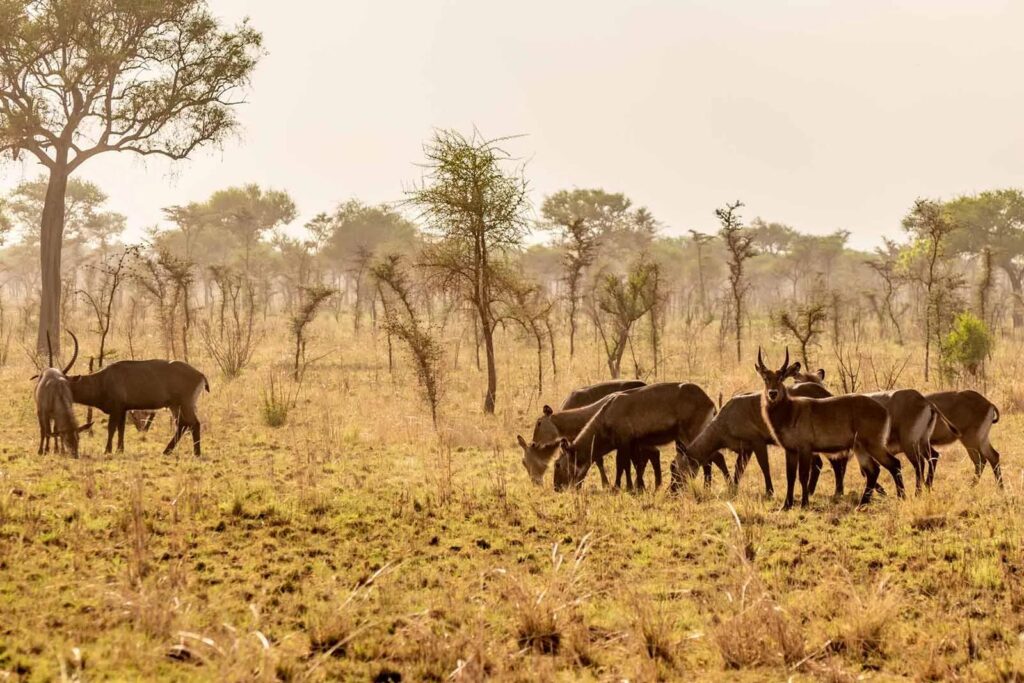
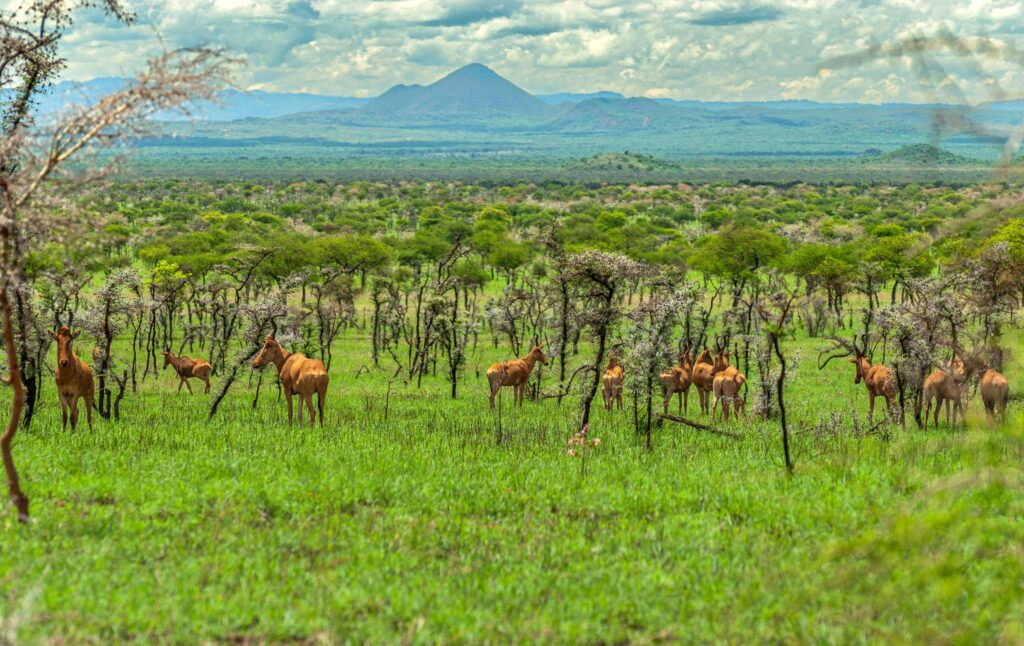
Pian Upe is largely covered by open grasslands, which support grazing wildlife. The reserve also has patches of riverine woodland and scattered savannah trees such as red acacia, bush willows, and desert date. The vegetation is adapted to semi-arid conditions, with grasses that support herbivores and seasonal rainfall that sustains the ecosystem. Despite being relatively dry, the reserve has enough water sources and vegetation to support wildlife throughout the year.
What to do in Pian-Upe wildlife reserve
Wildlife in Pian Upe Wildlife Reserve
Pian Upe offers a different wildlife experience compared to Uganda’s more popular parks. The open savannah and low visitor numbers make it ideal for travellers who want a quiet and less commercial safari. Wildlife is spread across large areas, so sightings require patience and time. Game drives often focus on open plains and areas near water sources where animals gather, especially during dry periods. Although the reserve does not have the same density of large predators as parks like Kidepo Valley National Park, it still supports a range of species that make it worthwhile for experienced safari travellers.
Game Drives in Pian Upe Wildlife Reserve
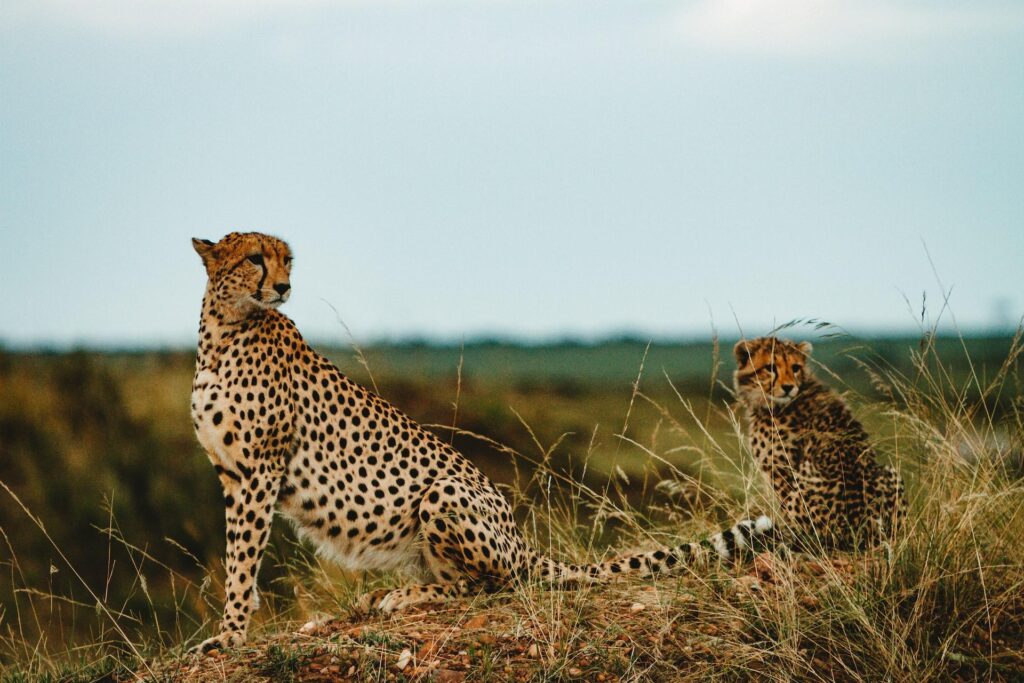
Game drives are the main way to explore Pian Upe. Because the reserve is less developed, routes are not as structured as in other parks, which adds to the sense of wilderness. Morning drives usually begin early when temperatures are cooler and animals are more active. Evening drives are also productive as wildlife moves toward feeding areas before nightfall. A 4×4 vehicle is necessary due to rough tracks, and it is advisable to travel with a guide who understands the terrain and wildlife patterns. Drives can be combined with short stops for photography and observation.
Bird Watching in Pian Upe Wildlife Reserve
Pian Upe is one of Uganda’s strongest birding areas for dry-country species. With over 300 recorded species, it attracts both casual bird watchers and experienced birders. Key areas such as the Loporokocho swamp are particularly important for spotting water-associated birds. Open grasslands and scattered trees support species that are not commonly found in forest parks. Birding is most productive early in the morning when bird activity is highest. Having a guide improves the experience, especially for identifying species by sound and movement.
Guided Nature Walks and Hiking in Pian Upe
Nature walks in Pian Upe offer a closer look at the environment compared to vehicle-based safaris. Walks are guided for safety and allow visitors to learn about animal tracks, plants, and smaller wildlife. Hiking opportunities exist in areas with rocky outcrops and hills, providing views over the plains. These walks are not heavily developed, which adds to the sense of exploration. Visitors should be prepared for heat and carry enough water, as the terrain can be dry and exposed.
Karamoja Community Visits near Pian Upe
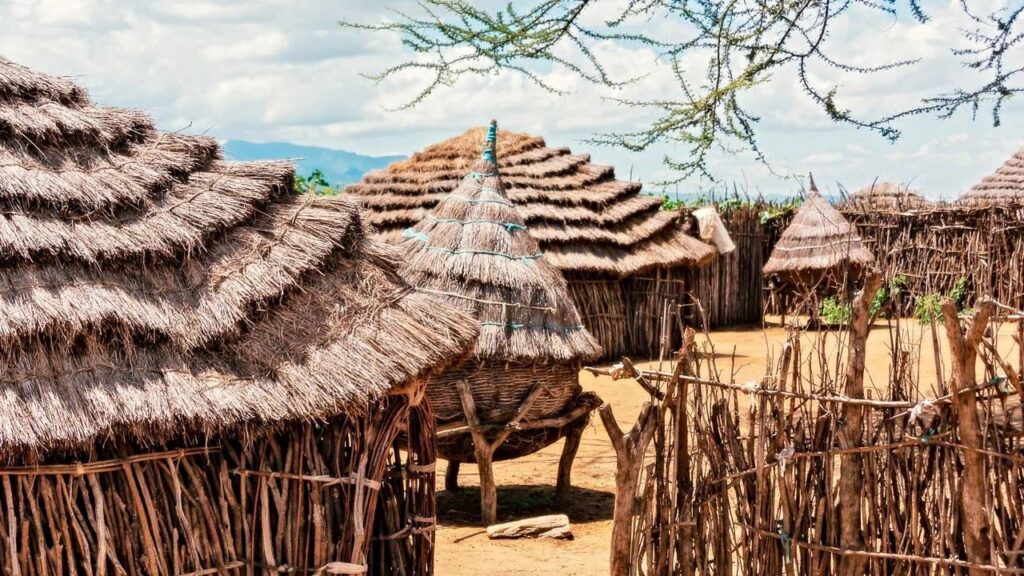
Community visits around Pian Upe provide insight into the Karamojong way of life. These communities are traditionally pastoral and depend on livestock for their livelihood. Visitors can learn about daily activities, local crafts, and traditional practices. Cultural performances such as music and dance may be part of the experience, but the focus should remain on understanding lifestyle and traditions. These visits also contribute to local livelihoods when organised responsibly through tour operators.
Where to Stay Near Pian Upe Wildlife Reserve
Accommodation around Pian Upe requires planning because options are limited within the reserve itself. Basic Uganda Wildlife Authority bandas and camping areas may be available, but facilities are simple. Travellers looking for more comfort often stay in nearby locations such as Sipi Falls or Mbale, which offer a wider range of lodges. Because of the remote nature of the reserve, it is advisable to plan accommodation together with transport to avoid long travel times between activities.
How to Get to Pian Upe Wildlife Reserve Uganda
Reaching Pian Upe requires careful planning due to its remote location. Most travellers access the reserve from Mbale or Sipi Falls, using a 4×4 vehicle. The journey involves a mix of paved and rough roads, and travel time can vary depending on weather conditions. During the rainy season, some routes may become difficult to pass. Pian Upe is often combined with trips to Mount Elgon, Sipi Falls, or extended safaris toward Kidepo, making it part of a broader northeastern Uganda itinerary.
Best Time to Visit Pian Upe Wildlife Reserve
The best time to visit Pian Upe is during the dry months when roads are more accessible, and wildlife is easier to spot. During dry periods, animals tend to gather around water sources, making sightings more predictable. The vegetation is also shorter, improving visibility. In the rainy season, the landscape becomes greener, but road conditions can limit movement within the reserve. Travellers should balance scenery with accessibility when planning their visit.