
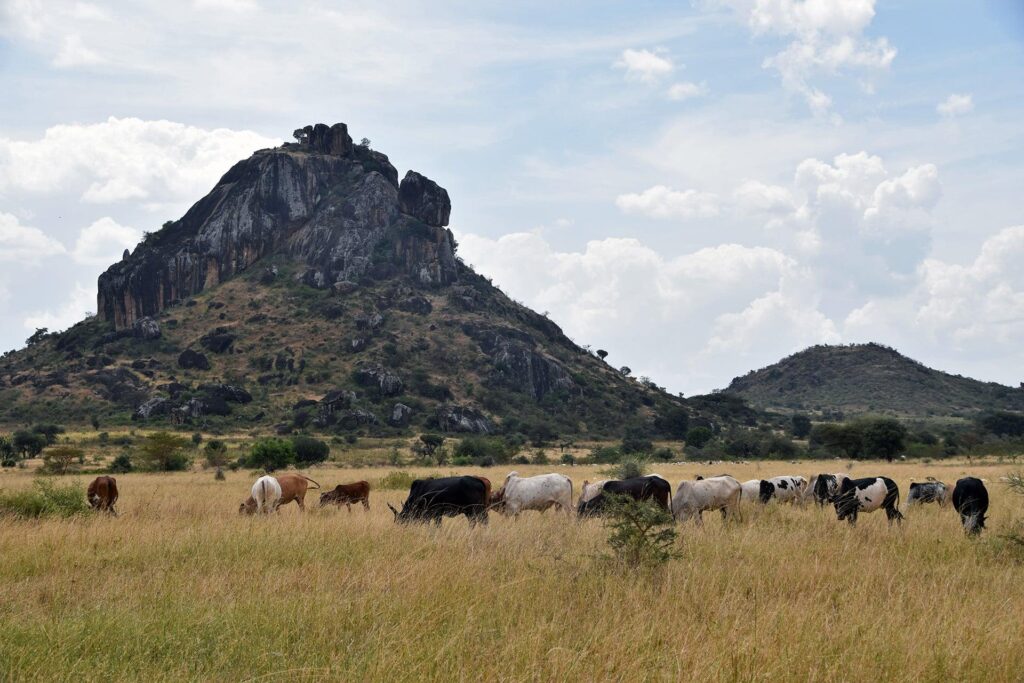
Matheniko Wildlife Reserve is located in northeastern Uganda in the Karamoja sub-region, similar to Bokora Wildlife Reserve. It was first established in 1960 as a controlled hunting area and is now part of Uganda’s protected wildlife system. The reserve lies within the wider Karamoja plateau and forms part of a connected conservation area that stretches from Kidepo Valley National Park through Bokora and Pian Upe Wildlife Reserves. Matheniko also borders the Rift Valley escarpment and extends towards the Uganda and Kenya border. The southern section of the reserve is characterized by rocky outcrops, raised ground, and uneven terrain, which adds variety to the landscape.
Landscape and vegetation in Matheniko Wildlife Reserve
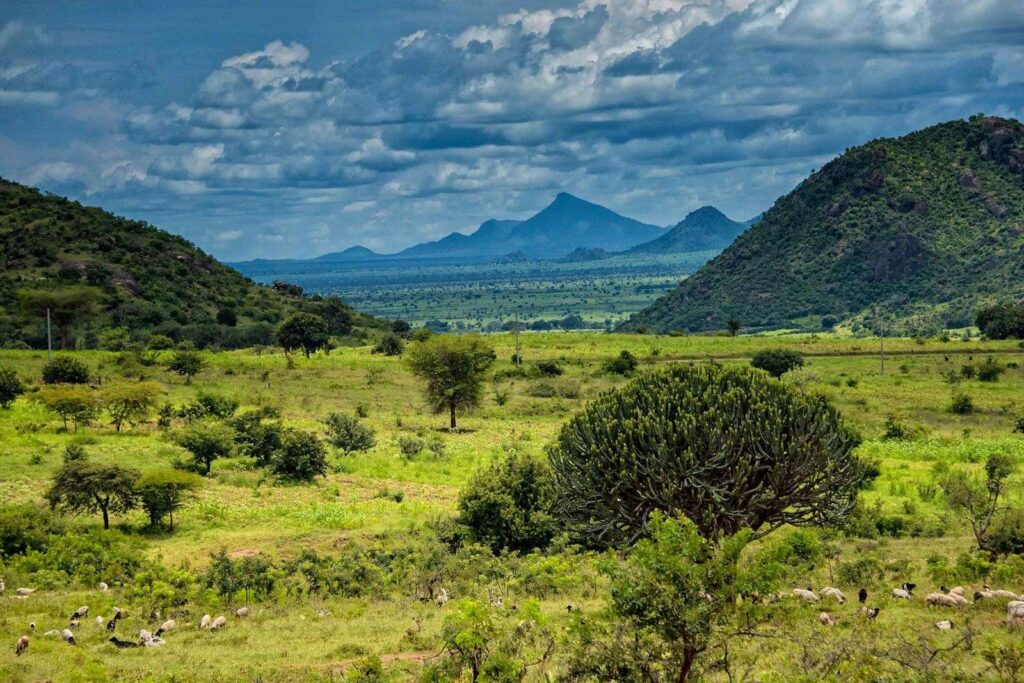
Matheniko Wildlife Reserve is dominated by semi-arid savannah vegetation made up of shrubs, grasslands, and thorny thickets. This type of vegetation supports grazing wildlife, especially during the wet season when fresh grass becomes available. The main wet seasons are from April to May and around November. During these periods, parts of the reserve become greener, and wildlife may move in from nearby areas such as Pian Upe Wildlife Reserve to feed.
Wildlife in Matheniko Wildlife Reserve
Mammals and predators
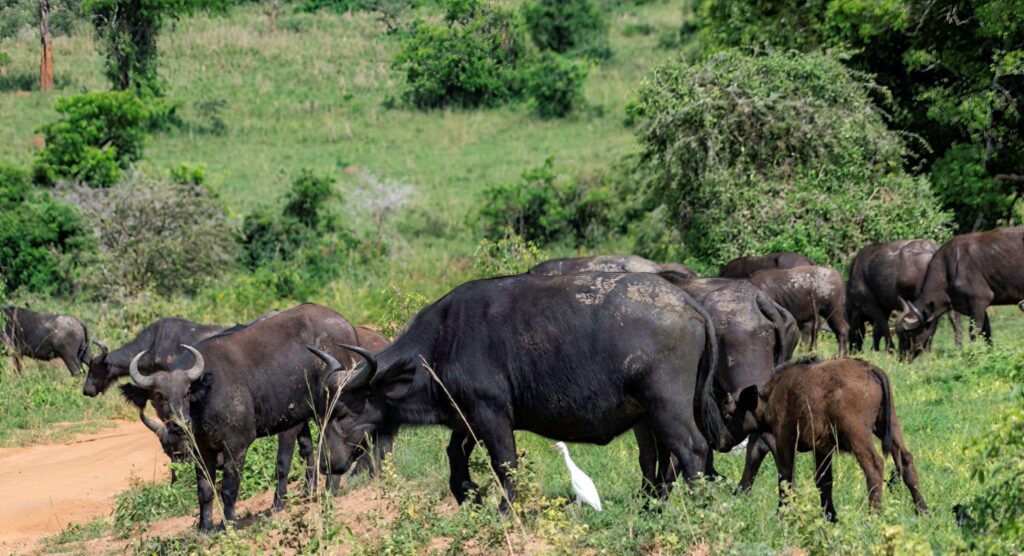
Matheniko Wildlife Reserve supports a range of wildlife species, although populations are generally lower compared to Uganda’s major national parks. Animals that may be seen include giraffes, antelope species such as reedbucks and waterbucks, and smaller mammals adapted to dry environments. Predators such as lions, leopards, and cheetahs are present in the wider Karamoja ecosystem, although sightings are not guaranteed and depend on timing and movement patterns. Spotted hyenas, striped hyenas, and jackals are also part of the reserve’s predator population.
Primates and smaller wildlife
The reserve is also home to a few primates such as patas monkeys, olive baboons, and vervet monkeys. These species are more commonly seen along open savannah and woodland areas.
Birdwatching in Matheniko Wildlife Reserve
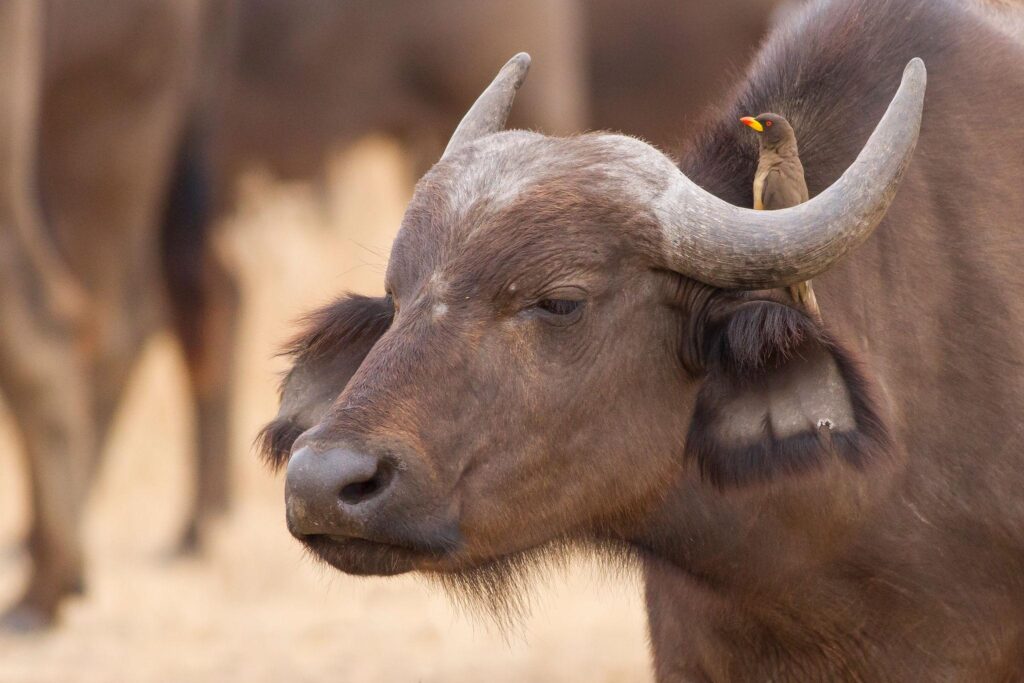
Matheniko Wildlife Reserve is a rewarding destination for birdwatching, especially for species adapted to dry habitats. A variety of birds can be found across the reserve, including Ethiopian swallows, pygmy falcons, red-billed oxpeckers, and mountain yellow warblers. Because of its open landscape and low visitor numbers, the reserve provides a quiet environment for birders and photographers.
Things to do in Matheniko Wildlife Reserve
Game drives in a remote safari setting. Game drives are one of the main activities in Matheniko Wildlife Reserve. The experience is more about exploring remote landscapes and spotting wildlife in a quiet environment rather than high-density game viewing.
Birdwatching and photography. Birdwatching is one of the strongest activities in the reserve, especially for visitors interested in dry-country species. The open terrain also makes it suitable for photography, particularly during the green seasons.
Seasonal wildlife movement and grazing. During the wet season, wildlife may move into Matheniko from nearby reserves such as Pian Upe in search of fresh grazing areas. This seasonal movement can improve wildlife sightings at certain times of the year.
Best time to visit Matheniko Wildlife Reserve
Matheniko Wildlife Reserve can be visited throughout the year, but the dry season is generally more suitable for travel because roads are easier to access. During the wet season, some roads may become muddy and difficult to pass. However, the wet months bring greener landscapes and can be rewarding for birdwatching and scenery.
 Where to stay near Matheniko Wildlife Reserve
There are currently no accommodation facilities at Matheniko Wildlife Reserve itself, so visitors need to stay in nearby towns such as Moroto or combine their visit with other destinations that have established lodges. Matheniko is often included as part of a wider Karamoja or Kidepo safari. Travelers should plan for several days, as access to the region involves long travel distances. A minimum of five days is recommended to properly explore the reserve and surrounding areas, including travel time.