
Ajai Wildlife Reserve is a small but historically important conservation area located in the West Nile region of northwestern Uganda, in Arua District. The reserve lies along the western banks of the Albert Nile, southeast of Arua town, and forms part of Uganda’s lesser-known wildlife destinations. Ajai was originally established as a White Rhino Sanctuary and was later gazetted as a wildlife reserve in 1965 to protect the remaining rhino population from heavy poaching. At that time, Uganda supported between 60 and 80 white rhinos, many of which were found in this region. Over the years, wildlife numbers declined, and parts of the reserve were degazetted in 2002 to allow for human settlement. In 2008, the Uganda Wildlife Authority entered into a private management arrangement to support conservation and tourism development. Today, Ajai Wildlife Reserve is once again gaining attention following the reintroduction of rhinos, marking a major step in restoring its original conservation purpose.
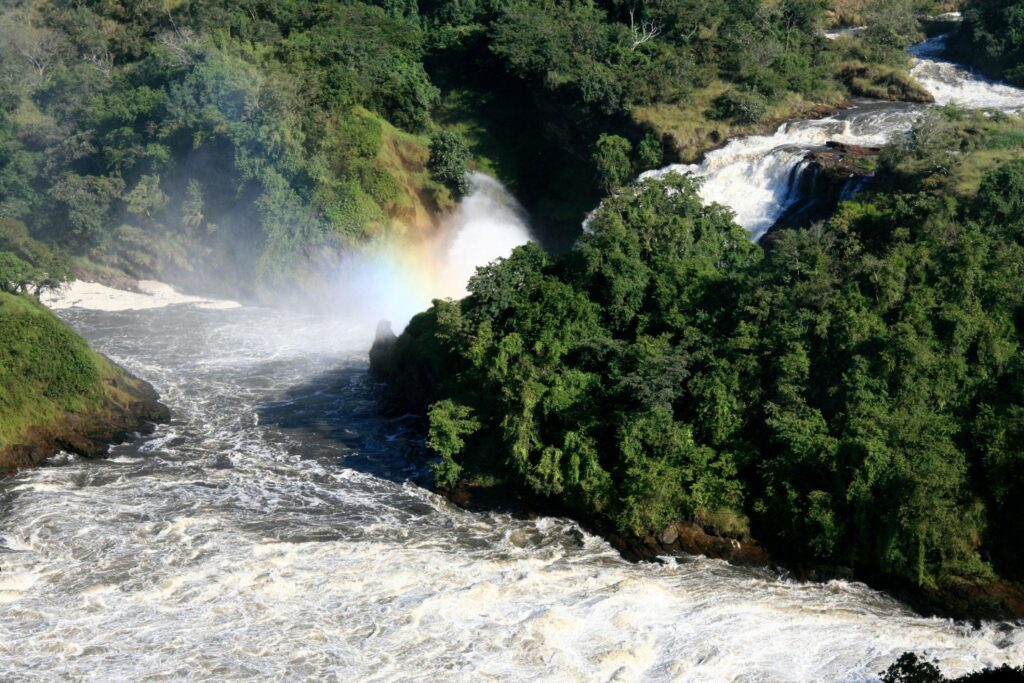
Landscape and Vegetation of Ajai Wildlife Reserve
Ajai Wildlife Reserve is characterised by a unique landscape shaped by the Albert Nile and seasonal flooding. Much of the reserve forms a large island-like ecosystem surrounded by wetlands that flood during the rainy seasons. A stretch of over 35 kilometres is dominated by papyrus swamp, creating an important wetland habitat. Beyond this, the reserve features a mix of vegetation types, including savannah woodland, open grasslands, sandy plains, and patches of riverine and savannah forest. This variation in habitat supports both grazing wildlife and wetland species, especially during the dry months when animals concentrate around water sources and swamp edges.
Things to Do in Ajai Wildlife Reserve
Wildlife in Ajai Wildlife Reserve
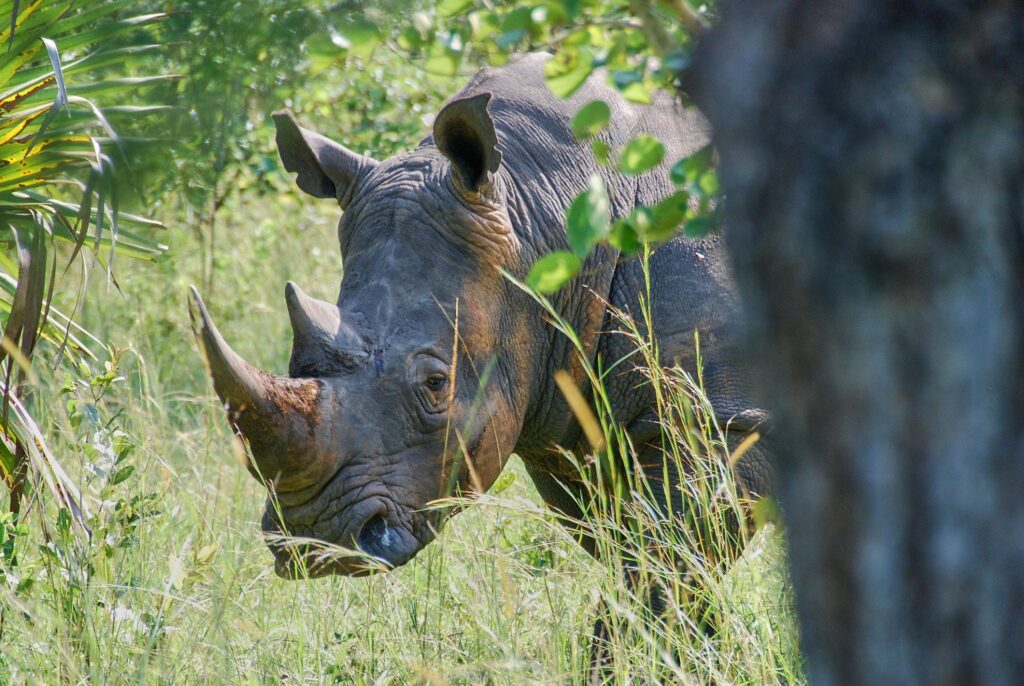
The mix of wetlands, grasslands, and woodland in Ajai Wildlife Reserve supports a range of wildlife species, although densities are lower compared to Uganda’s larger national parks. Mammals in the reserve include hippos along the Nile, Uganda kob, hartebeest, bushbuck, and primates such as black and white colobus monkeys. Smaller mammals and reptiles are also present within the swamp and woodland areas. Wildlife viewing is more rewarding during the dry months when animals move closer to permanent water sources, making them easier to spot during guided walks and drives. For visitors interested in primates, sightings of colobus monkeys are possible during nature walks, especially in areas with thicker vegetation cover.
Bird Watching in Ajai Wildlife Reserve Uganda
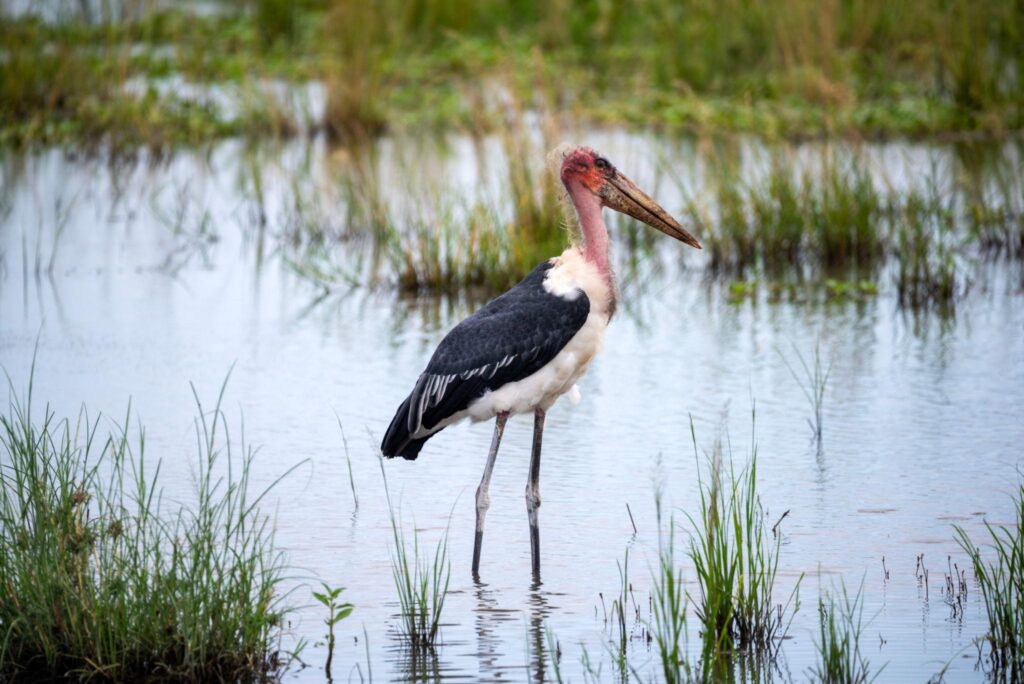
Ajai Wildlife Reserve is a quiet but rewarding birding destination, particularly around its wetland and river habitats. The combination of papyrus swamp, open water, and savannah attracts a variety of bird species. Common sightings include African fish eagles, grey crowned cranes, and large water-associated birds such as marabou storks. The wetlands also support smaller bird species that thrive in papyrus and seasonal floodplains. Birding is best in the early morning and late afternoon when activity is highest, and the reserve’s low visitor numbers make it ideal for travellers seeking a peaceful birding experience.
Best Time to Visit Ajai Wildlife Reserve Uganda
Ajai Wildlife Reserve can be visited throughout the year, but travel conditions vary depending on the season. The best time to visit is during the dry months, from December to March and from June to early October. During this period, roads are more accessible, and wildlife is easier to spot as animals gather near water sources. The wet seasons, from April to May and again in October and November, bring heavy rains that can make roads slippery and difficult to navigate. Travel during these months requires a reliable 4×4 vehicle.
Where to Stay Near Ajai Wildlife Reserve
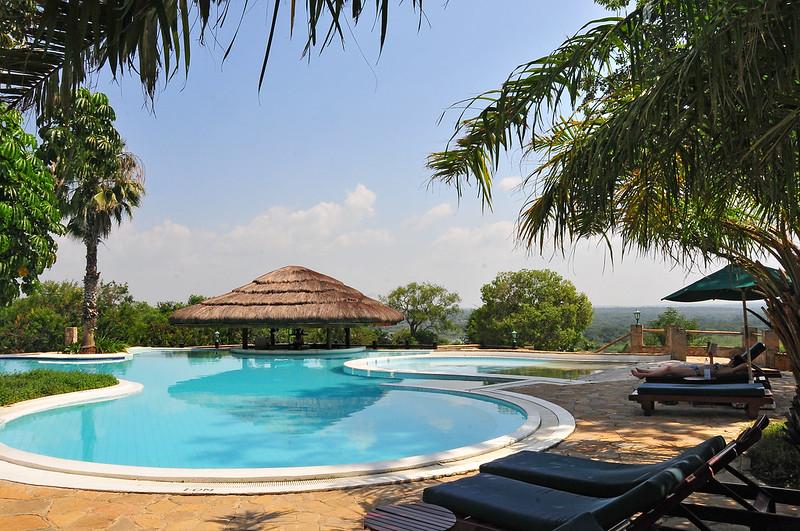
There are currently no accommodation facilities inside the Ajai Wildlife Reserve itself. Visitors typically stay in nearby towns such as Pakwach or Arua, which offer a range of midrange lodges and budget accommodation options. For travellers combining Ajai with a wider safari, the Murchison Falls National Park area provides more established safari lodges, making it a convenient base before or after visiting the reserve.