
Mountain hiking in East Africa offers a wide range of experiences, from short scenic hikes to multi-day high-altitude treks across volcanic landscapes and mountain ranges. The region is home to some of Africa’s most well-known hiking destinations, including high peaks, ancient calderas, and active volcanoes. With AA Safaris and Tours, we organise guided hiking trips across East Africa, taking you to mountains such as Mount Kilimanjaro, the Rwenzori Mountains, Mount Elgon, Mount Sabyinyo, and Mount Nyiragongo. These hiking trips can be tailored to suit different levels of experience, from 1-day hikes to longer expeditions that take several days. Each destination offers a different landscape, ranging from rainforest trails and alpine zones to volcanic craters and mountain ridges.
Why Choose Mountain Hiking in East Africa
East Africa is one of the best regions for mountain hiking because of its diversity. Travellers can experience snow-capped peaks, volcanic craters, bamboo forests, and open highland landscapes within the same region. Unlike more crowded hiking destinations, many East African mountains offer quieter trails and a more natural experience. This makes them suitable for travellers looking for both adventure and scenery. Mountain hiking can also be combined with other safari experiences such as wildlife viewing, gorilla trekking, bird watching, and cultural visits, making it a well-rounded travel option.
Best Mountains for Hiking in East Africa
Mount Kilimanjaro in Tanzania
Mount Kilimanjaro is the highest mountain in Africa at 5,895 metres and one of the most popular trekking destinations in the world. It is a non-technical climb, meaning no advanced climbing skills are required, but it still demands good physical preparation due to altitude. Treks typically take between 5 to 9 days, depending on the route. Popular routes such as Machame and Lemosho offer gradual acclimatisation and varied scenery, including rainforest, moorland, alpine desert, and snow at the summit. Kilimanjaro is best suited for travellers looking for a well-structured expedition with established routes, experienced guides, and a strong sense of achievement at the summit.
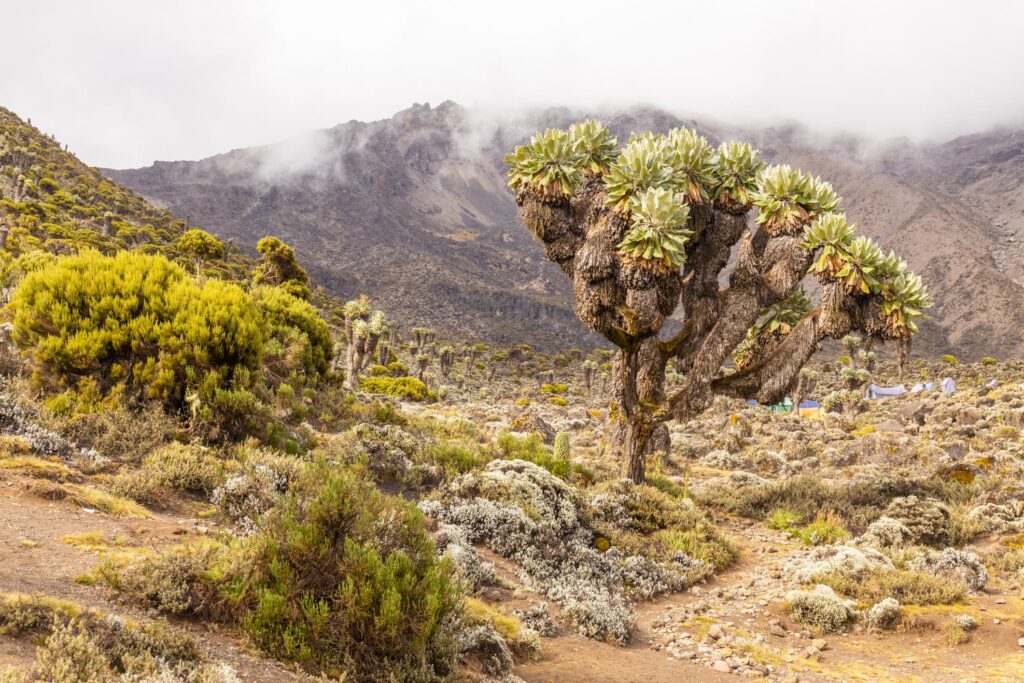
Rwenzori Mountains in Uganda
The Rwenzori Mountains offer one of the most challenging and rewarding hiking experiences in Africa. Known as the “Mountains of the Moon,” they feature glaciers, snow-capped peaks, and diverse vegetation zones. Treks to Margherita Peak can take 7 to 10 days and require a good level of fitness. Trails often pass through muddy sections, wooden boardwalks, and steep climbs, making the experience more demanding than Kilimanjaro. Rwenzori is best for experienced hikers who want a remote and less crowded expedition with dramatic scenery and varied ecosystems.
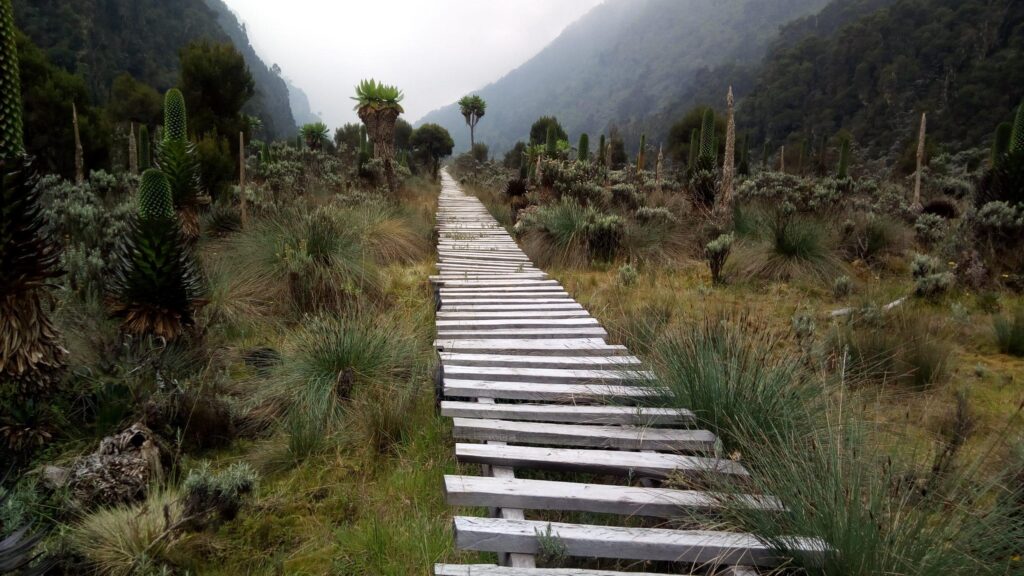
Mount Elgon in Uganda
Mount Elgon is an extinct volcano and one of the most accessible mountains in Uganda. It is ideal for travellers looking for a moderate hike without extreme altitude challenges. Treks can range from 2 to 5 days and include features such as waterfalls, caves, cliffs, and one of the largest volcanic calderas in the world. Mount Elgon is best suited for travellers who want a quieter hiking experience with scenic landscapes and less physical strain compared to higher mountains.
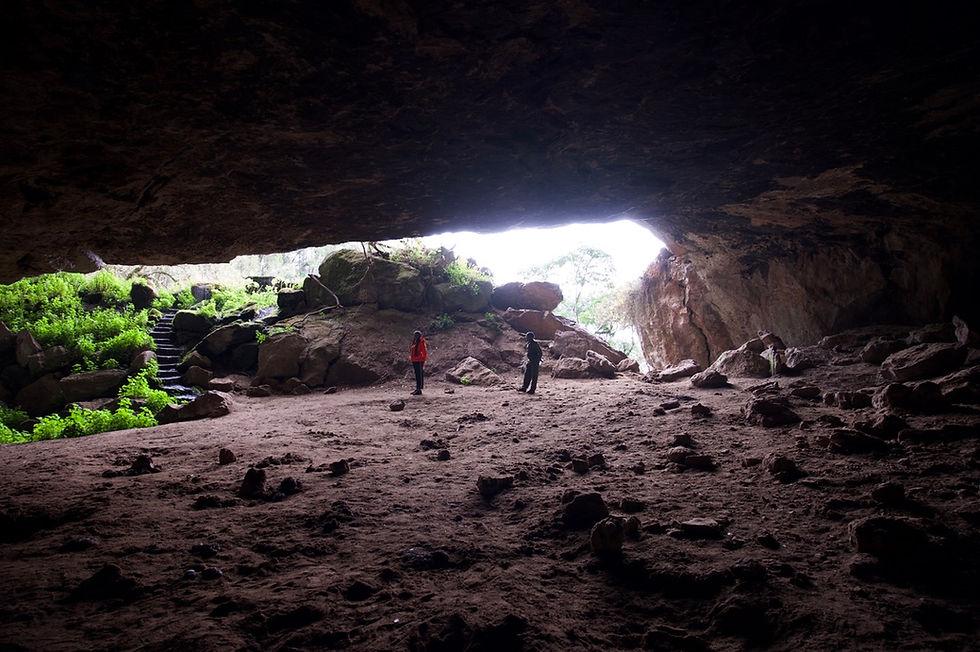
Mount Sabyinyo in Uganda
Mount Sabyinyo is one of the Virunga volcanoes and offers a steep, adventurous day hike. The trail includes ladders and ridges, making it physically demanding but highly rewarding. The hike takes about 6 to 8 hours and leads to a summit area where you can stand near the borders of Uganda, Rwanda, and DR Congo. This mountain is best for travellers looking for a short but intense hiking experience with dramatic views and a sense of adventure.
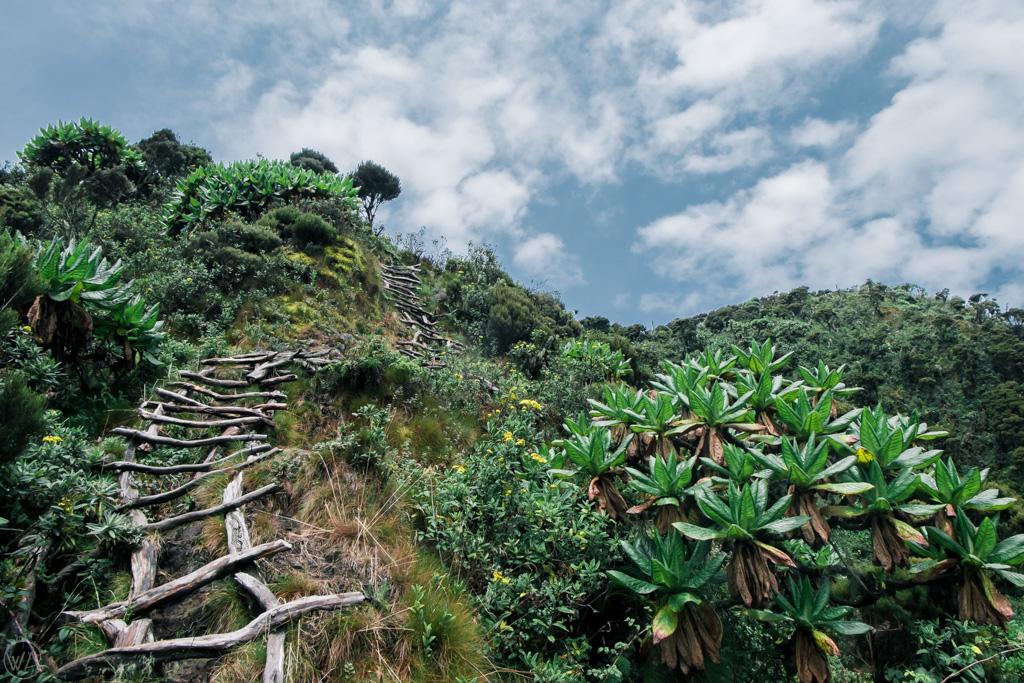
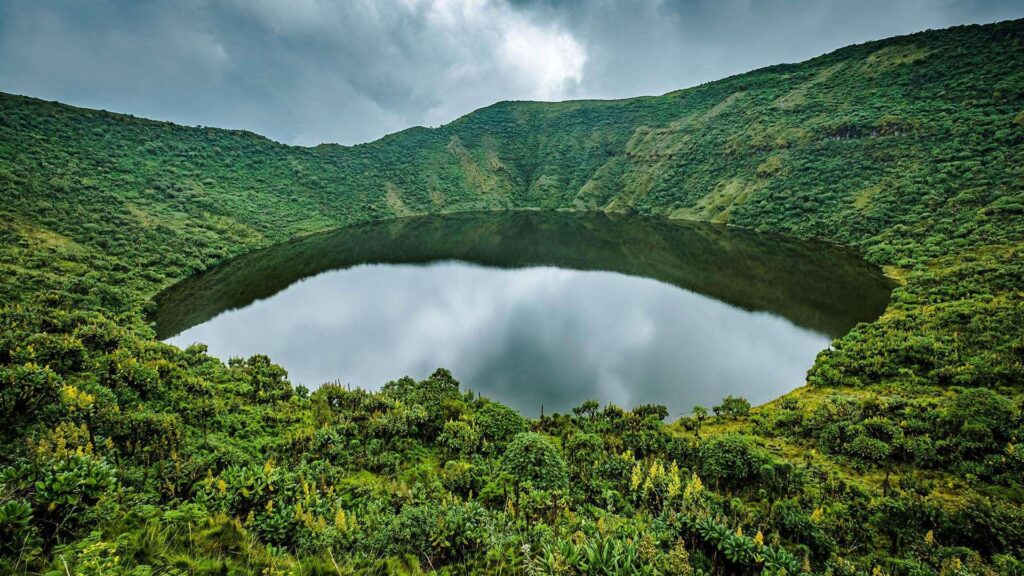
Mount Bisoke in Rwanda
Mount Bisoke is a popular one-day hike located in Volcanoes National Park in Rwanda. The main highlight is the crater lake at the summit, which provides scenic views when weather conditions are clear. The hike usually takes 5 to 7 hours and passes through forest and bamboo zones. It is moderately challenging but achievable for most travellers with basic fitness. Mount Bisoke is often combined with gorilla trekking, making it ideal for travellers who want to add a hiking experience to a Rwanda safari.
Mount Karisimbi in Rwanda
Mount Karisimbi is the highest volcano in the Virunga range at over 4,500 metres. The hike is typically done over two days with an overnight stay on the mountain. The trail passes through forest, bamboo, and alpine vegetation before reaching higher altitude zones. Due to its elevation, the hike requires good fitness and proper preparation. Mount Karisimbi is best suited for travellers who want a more demanding hiking experience without committing to a full Kilimanjaro or Rwenzori expedition.
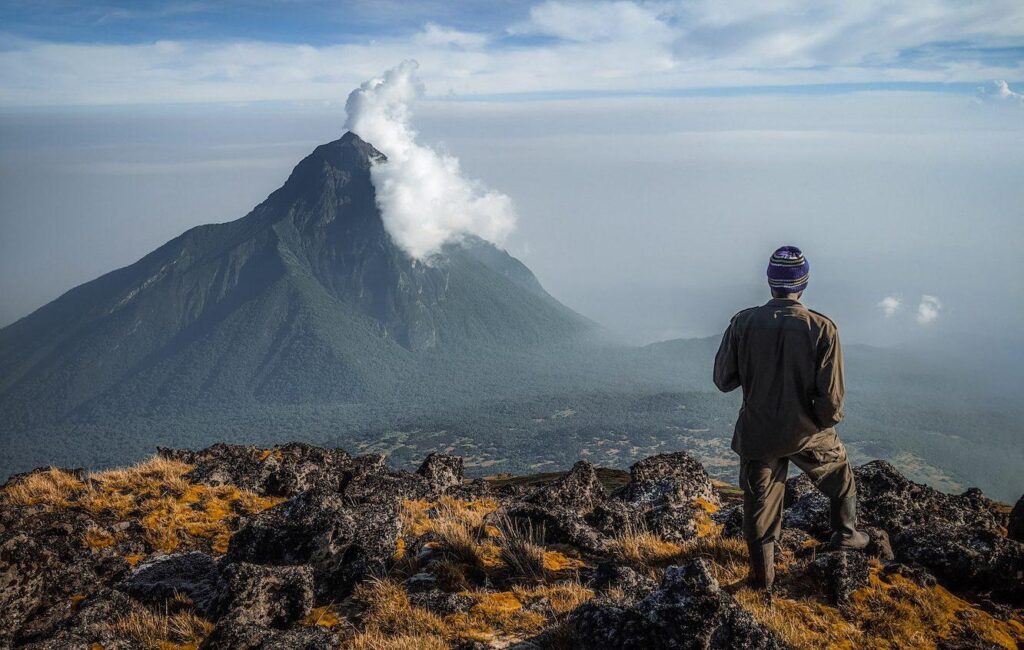
Mount Nyiragongo in DR Congo
Mount Nyiragongo is one of the most unique hiking experiences in Africa due to its active lava lake at the summit. The hike takes about 5 to 6 hours to ascend and is usually done with an overnight stay in summit cabins. The climb is steep but relatively short compared to other mountains. The highlight is watching the lava lake glow at night, which creates a rare and memorable experience. This hike is ideal for travellers looking for something different from traditional mountain trekking
What to Pack for a Mountain Hiking Trip in East Africa
If you are planning a mountain hiking trip that lasts more than one day, proper preparation is important for both comfort and safety. The items you carry will depend on the mountain, duration of the trek, and weather conditions. For most hikes in East Africa, we recommend carrying the following:
- A waterproof rain jacket
- Warm clothing, especially for higher altitudes
- Strong hiking boots or rubber boots for muddy trails
- A sleeping bag for multi-day treks
- Gloves for cold conditions
- Personal items such as toiletries and medication
- Bottled drinking water or a refillable water bottle
For higher altitude climbs, such as the Rwenzori Mountains or Mount Kilimanjaro, additional layers are necessary because temperatures can drop significantly, especially at night.
Climbing Gear, Porters and Hiking Support
Technical climbing equipment such as ropes, harnesses, carabiners, and crampons is usually provided where necessary, depending on the mountain and route. Guides and porters play an important role in making your hike more manageable. Porters help carry luggage, camping equipment, and supplies, allowing you to focus on the hike itself. Each porter typically carries a maximum weight of about 15 kilograms. If you have additional luggage, you may need to hire more than one porter. This should be arranged in advance to ensure smooth planning.
Food, Supplies and Equipment Rental
Meals are usually prepared and provided during multi day hikes, especially on organised treks. Food is planned to provide enough energy for hiking and is carried by the support team. If you do not have some of the required gear, basic equipment can often be hired at the starting point of the hike. This includes items such as boots, jackets, and sleeping bags. However, it is always advisable to carry your own well-fitting gear where possible, as comfort plays a big role in your hiking experience.
Where Do You Sleep During Mountain Hiking Trips
Accommodation during mountain hiking trips depends on the location and the route you choose. For multi-day hikes in Uganda and across East Africa, hikers usually stay at designated campsites or mountain huts along the trail. These are set at specific points where each day’s hike ends. In many cases, especially on mountains like Mount Elgon and the Rwenzori Mountains, visitors sleep in tents or basic shelters and use sleeping bags for warmth. Facilities at these camps are usually simple, focusing on functionality rather than comfort. This is part of the overall hiking experience. For shorter hikes, visitors typically stay in lodges or hotels near the base of the mountain before and after the trek.
Biking Tours
-
- 2 days Horse Ride Safari Jinja
- 2 Days Jinja Nile Biking Trip
- 8 Days Biking Safari Mount Elgon, Canoe Ride
- 8 Days Uganda Bike Tour and Safari
- 10 Days Uganda Cycling and Wildlife
Golf and Wildlife Safaris
- List of Golf Courses in Uganda
- 5 Days Golf and Gorillas in Uganda
- 7 Days Uganda Golf, Gorilla and Wildlife Safari
- 12 Days Uganda Golf and Safari
Mountaineering
-
- 1 day Rwenzori trekking
- 3 Days Trekking Rwenzori Mountains, Enock Falls
- 4 Days Rwenzori Mountain Trekking/Hiking
- 5 Days Hike Mount Elgon Kapkwata Trail
- 5 Days Climb Mutinda Lookout Peak Mt.Rwenzori
- 6 Days Trek Weismann’s Peak | Mt. Rwenzori
- 6 Days Hike / Trek Mount Elgon (Sasa Trail)
- 8 Days Hike Mt Baker Peak Rwenzori Mountains
Volunteering Trips
